Affordability asks
How can we make necessities cost less?
Lower rents. Less expensive food. Reduced utility bills. Lower barriers to care and education.
A dignified life requires more than a discounted price. What if we helped people build the capacity to afford the lives they want to live?
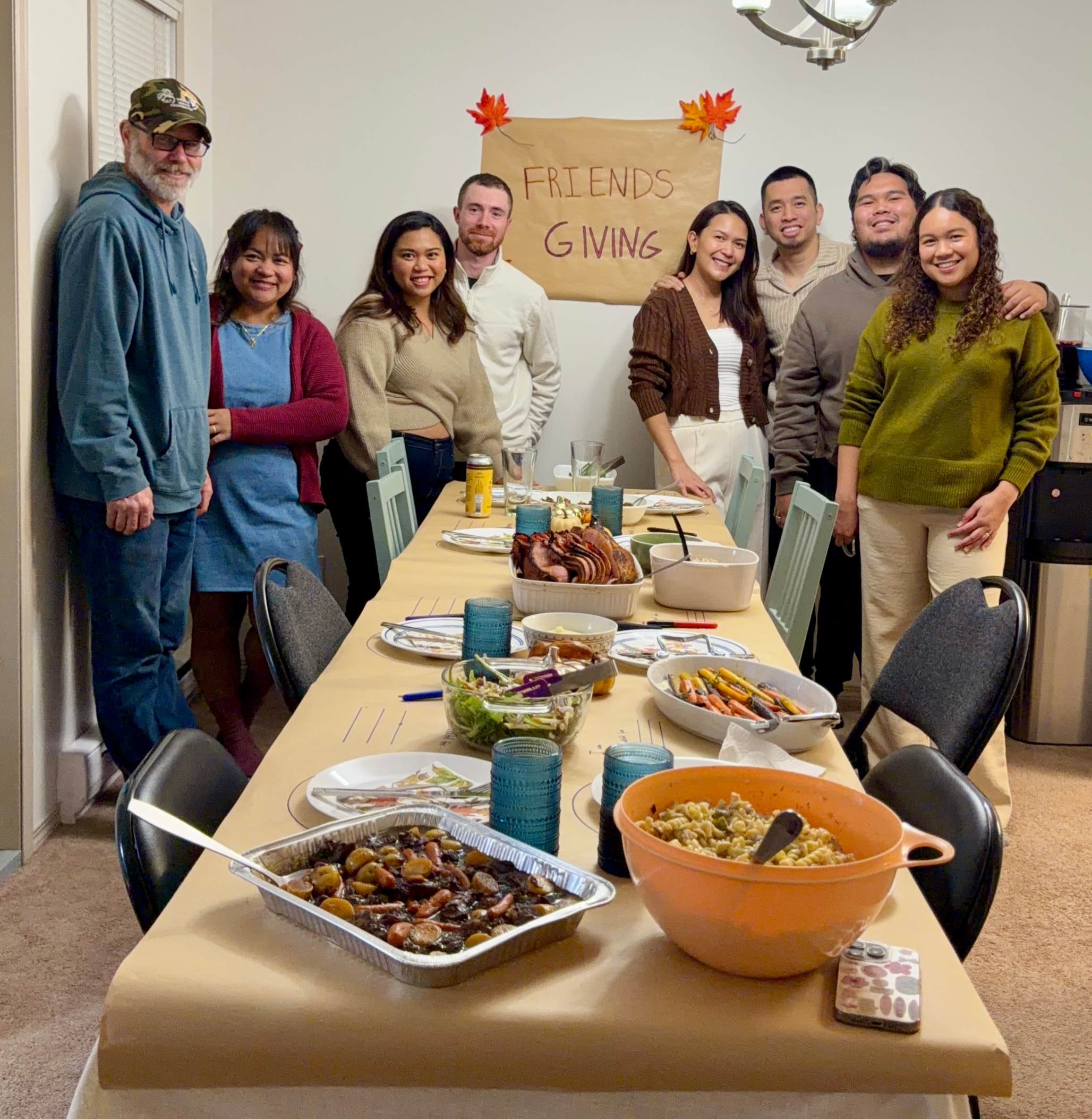
A dignified life is about more than what we can purchase. It's also about what we can create together.We begin with people, their relationships, and the resources they already possess.
We hear the word affordable everywhere: affordable housing, affordable healthcare, affordable energy. Yet a price can qualify as affordable under a program's rules while remaining beyond the reach of the people who most need it.
Some housing programs use income limits tied to Area Median Income. Others use different formulas or discounts. These programs can create real benefits. But a developer's compliance with an affordability standard is not the same thing as a household's ability to pay its bills and live with dignity.
We should measure success from the household's side of the equation, not only from the developer's side.
Lower rents. Less expensive food. Reduced utility bills. Lower barriers to care and education.
Fewer unavoidable costs, stronger earning capacity, useful skills, trusted relationships, and greater control over daily life.
Both matter. Lower prices help. Greater household capacity can change what becomes possible.

The measure of a good life isn't simply what we can afford to buy. It's what we have the time, freedom, and opportunity to experience.
We aren't simply trying to make housing affordable. We're trying to make a dignified life affordable.
Bene Esse organizes its work around five areas of everyday life. Each presents opportunities to reduce costs, but also to increase the capabilities and resources people can draw upon.
Less expensive units and construction.
Greater capacityShared infrastructure, stability, pathways to ownership, and stronger households.
Cheaper groceries.
Greater capacityLocal production, shared food systems, skills, and dependable access.
Smaller monthly bills.
Greater capacityConservation, efficiency, and systems that improve local resilience.
Less expensive services.
Greater capacityPrevention, trusted care networks, and reduced household strain.
Less expensive credentials.
Greater capacityPractical skills, mentorship, productive opportunities, and lifelong learning.
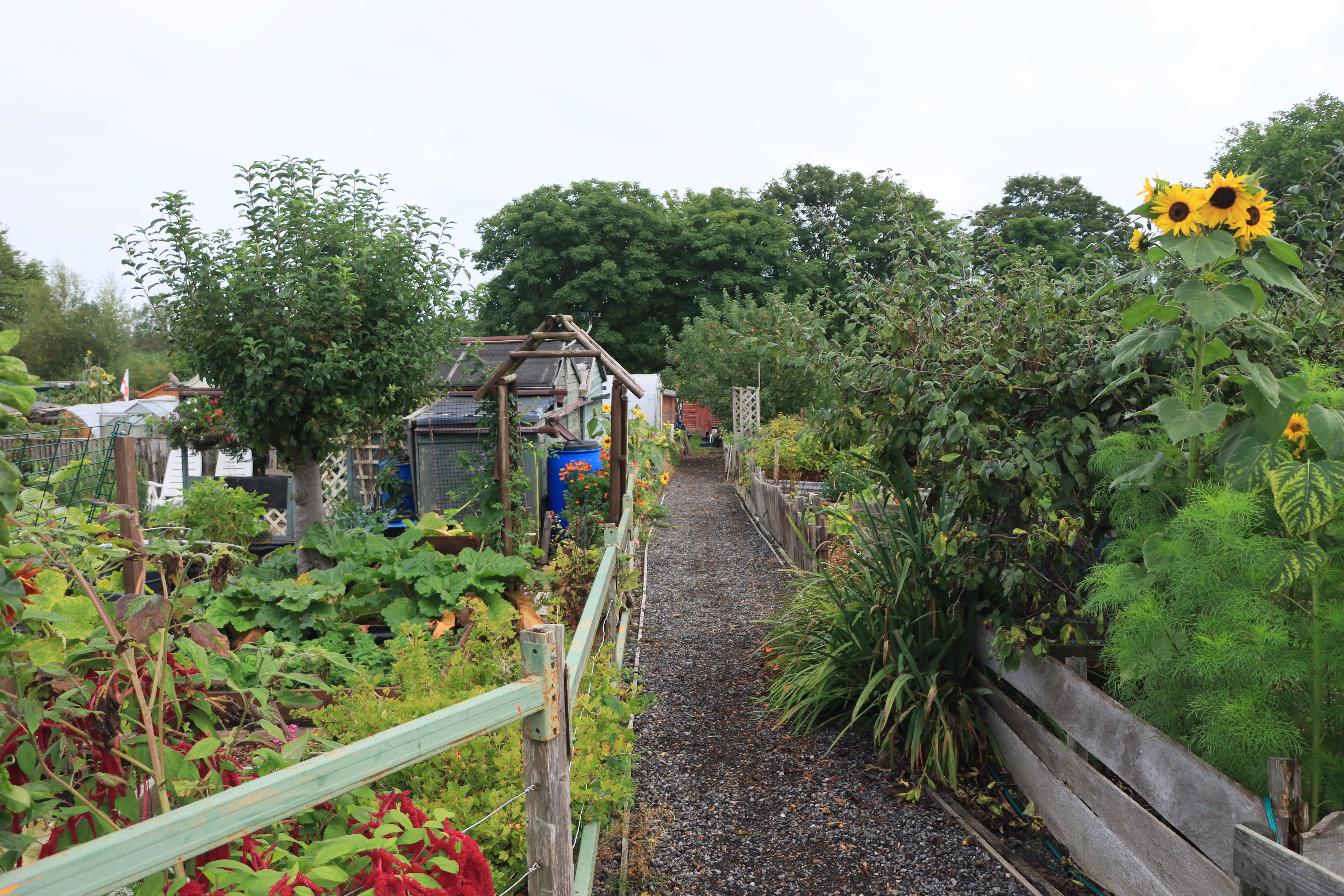
Lower grocery prices can help. Shared growing spaces can also cultivate skills, relationships, dependable access, and the ability to produce something together. Whether they save money depends on local conditions and the resources required.
Bring what you have. Discover what you can do together.
Five households may each have too little money to buy every solution they need. Together, however, they may have tools, transportation, experience, food-growing knowledge, caregiving capacity, and the wisdom to use them well.
These resources don't become available just because they exist. People need time to listen, build relationships, make agreements, and learn whom they can trust.
That's why Kitchen Table Conversations and Kitchen Table Capitalism matter to our work. They help turn attentiveness into relationships, relationships into trust, and trust into practical cooperation.
At the kitchen table, forms of nonmonetary capital can come together in ways that are worth more than money. Not because money stops mattering, but because people can accomplish things together that none could afford alone.
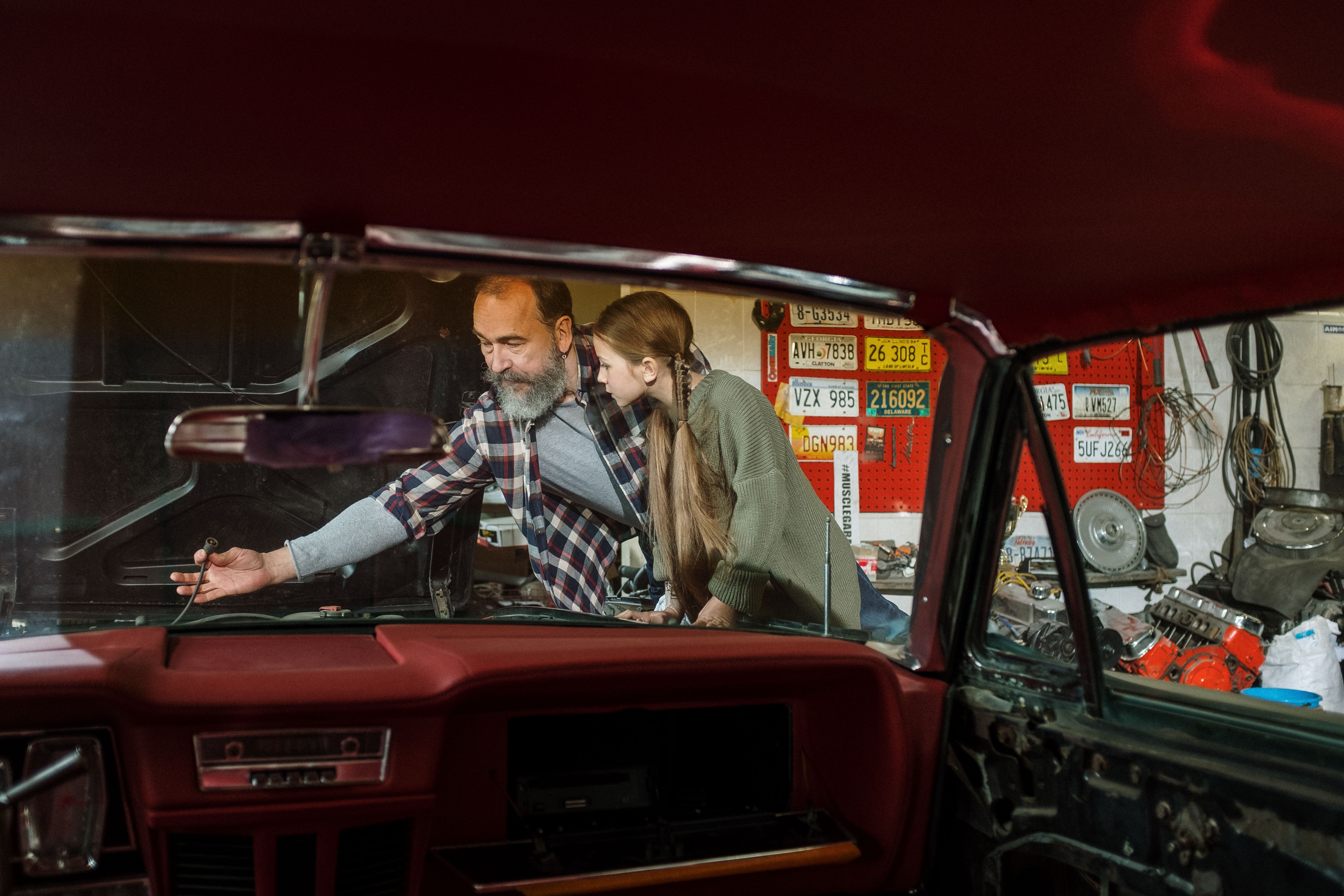
Skills shared across generations can reduce dependence on costly services, help maintain the things we own, and create opportunities to learn, earn, and contribute. The benefit isn't only a repair bill avoided. It's the capacity that remains.
Before calling a project successful, ask whether it changes people's real circumstances—not merely whether it meets a price target or program definition.
These are guiding questions, not a formal certification or a substitute for measuring actual outcomes.
A community doesn't have to wait until a large investor arrives to begin building capacity. It can start with people recognizing what they already possess, making small commitments, and learning to steward resources together.
Bene Esse is an ongoing experiment in that work. We invite you to explore its history—and consider what becomes possible when we stop treating households as isolated economic islands.