HOW WE GOT HERE

We didn't invent Bene Esse all at once.
We lived our way into it.

Bene Esse grew from work that began years before the name existed: technology, community building, local economies and a persistent question about how people coordinate when conventional systems don't work very well.

COVID sharpened the question. The Anti-Fragile Playbook gave us a way to explore it. Years of living with the resulting ideas gradually showed us what Bene Esse actually was.

Some ideas worked. Some didn't. The technology changed. The organizational structures changed. People came to the table. Children grew up around the experiment.

And gradually, we began to recognize what we had been building.

This is not the story of a finished system. It is the story of people trying small things in the real world, keeping what worked, discarding what didn't, and paying attention.
2017

BEFORE BENE ESSE HAD A NAME

The software came first.

Years before Bene Esse, we were already trying to solve part of the same problem with technology.

The early software grew from work on digital identity, coordination and self-governance: ways for people to find one another, recognize useful skills and resources, make decisions and coordinate without requiring a single institution to sit at the center of everything.

In 2017, that work received Netexplo recognition through its partnership with UNESCO — the same global innovation program that had previously recognized technologies including Twitter.

We didn't call what we were doing Bene Esse. We hadn't met Ruth yet.

But part of the problem Bene Esse would eventually address was already visible: communities contain enormous amounts of useful capacity that conventional systems have difficulty seeing, connecting or valuing.

Early 2017 community coordination software
The problem predates the name.

An early version of the software in 2017, already exploring how people, skills, resources and relationships could become visible and useful to one another inside a community.

2020

THEN SOMETHING BROKE

The question became harder to ignore.

In March 2020, COVID disrupted nearly every assumption people had about work, institutions, supply chains, communities and what counted as stable.

Kent Dahlgren and Ruth Glendinning began developing an Anti-Fragile Playbook: a practical guide for building systems that could become stronger in response to stress, shocks and uncertainty.

The original goal was not to invent Bene Esse. It was to understand what people could still rely on when money, institutions and familiar systems became less reliable.

That work exposed something surprisingly simple: relationships, trust, useful skills and the willingness to help one another were not secondary assets.

In the right circumstances, they were infrastructure.

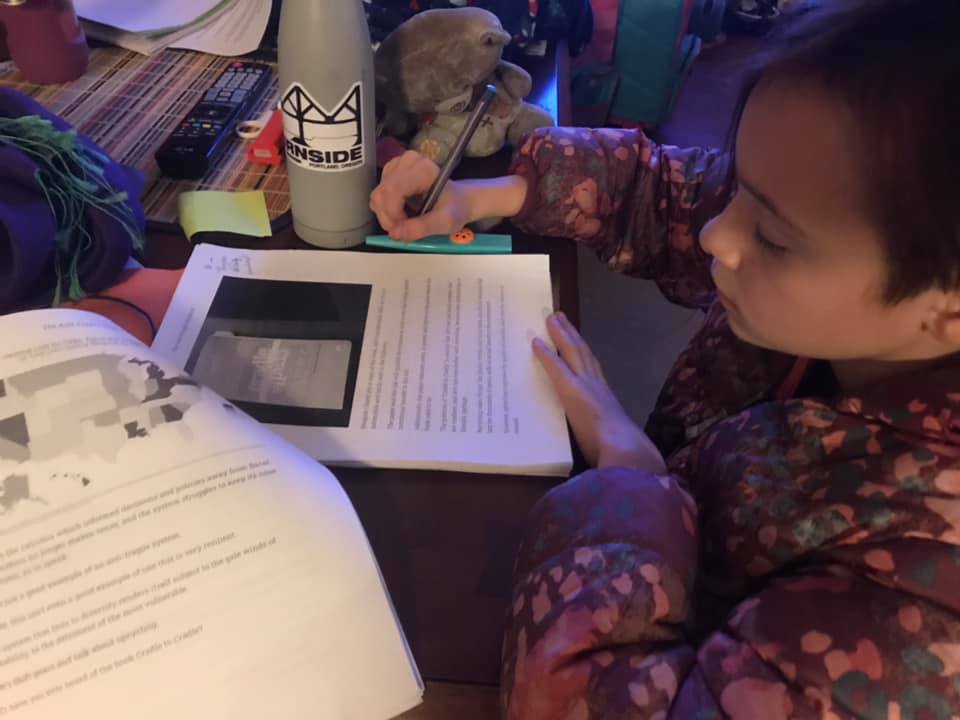
Elioet reviewing an early draft of the Anti-Fragile Playbook in 2020
The first readers were already close by.

Elioet reviews an early draft of the Anti-Fragile Playbook in 2020. Beary, a kazoo and several years of childhood are all hiding in the frame.

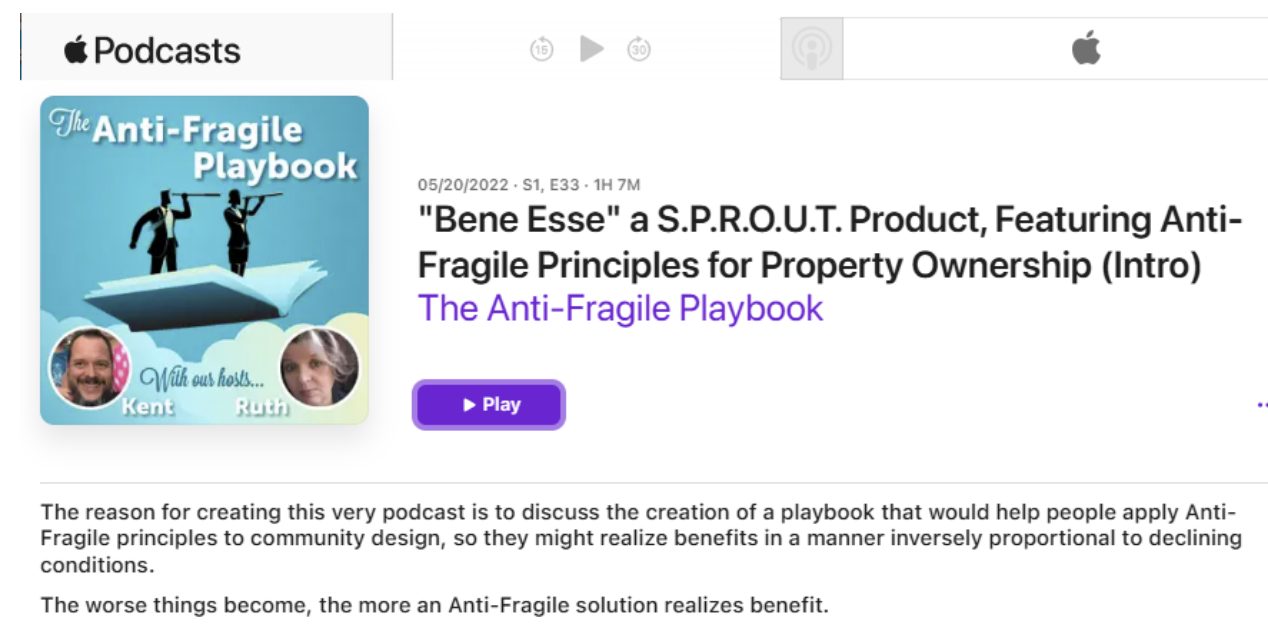
Early Anti-Fragile Playbook podcast introducing Bene Esse
Bene Esse begins to appear.

An early Anti-Fragile Playbook podcast introducing Bene Esse before the model had fully taken shape.

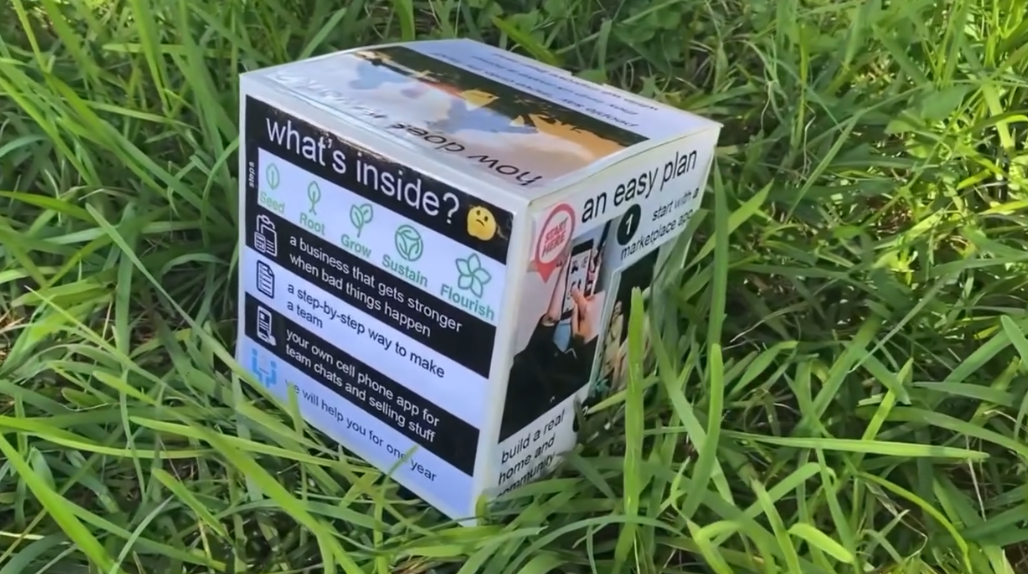
Early retail-style Bene Esse packaging experiment

SIX YEARS OLD · COMPLETELY SUFFICIENT

“It's a business that gets stronger when bad things happen.”

— Juliet, age six

We spent considerably more words trying to explain antifragility. Juliet required fewer.

For a time, we even experimented with packaging Bene Esse like a conventional retail product. The packaging didn't survive. The definition did.

2020–21

SO WE WENT OUTSIDE

Ideas don't mean much until they meet people.

The next step wasn't another white paper. It was fieldwork.

Tannehill became a living laboratory for learning what happened when local relationships, household-scale enterprise and community coordination were treated as economic infrastructure.

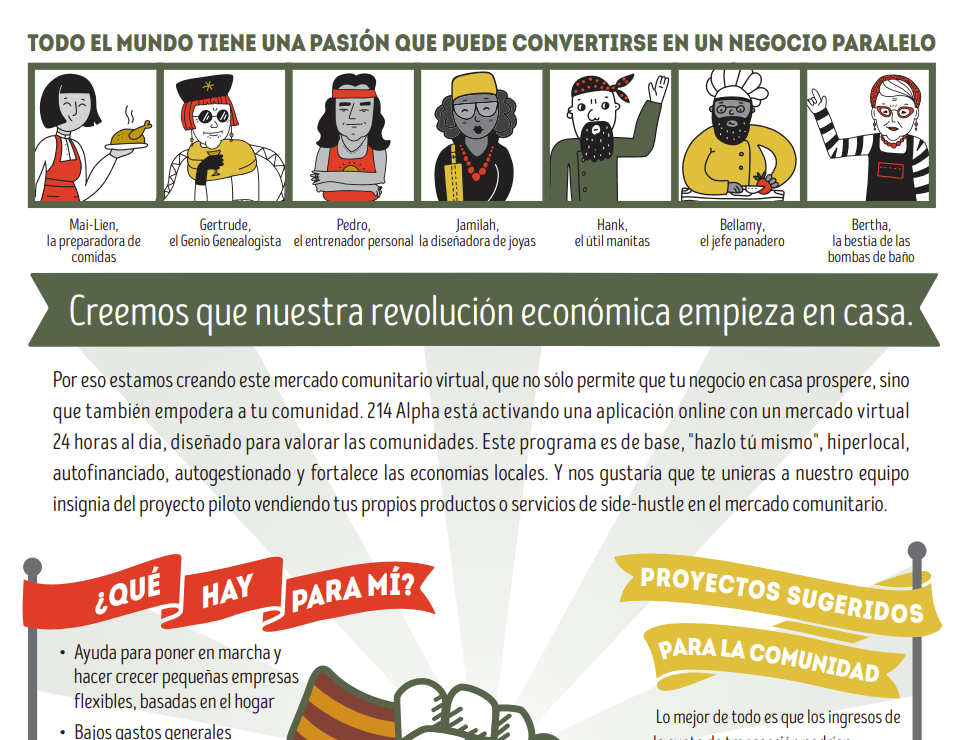
We talked to people. We distributed thousands of flyers. We experimented with neighborhood outreach in English and Spanish.

Spanish-language Tannehill outreach
Tannehill outreach.

Community outreach during the depths of COVID, including Spanish-language materials.

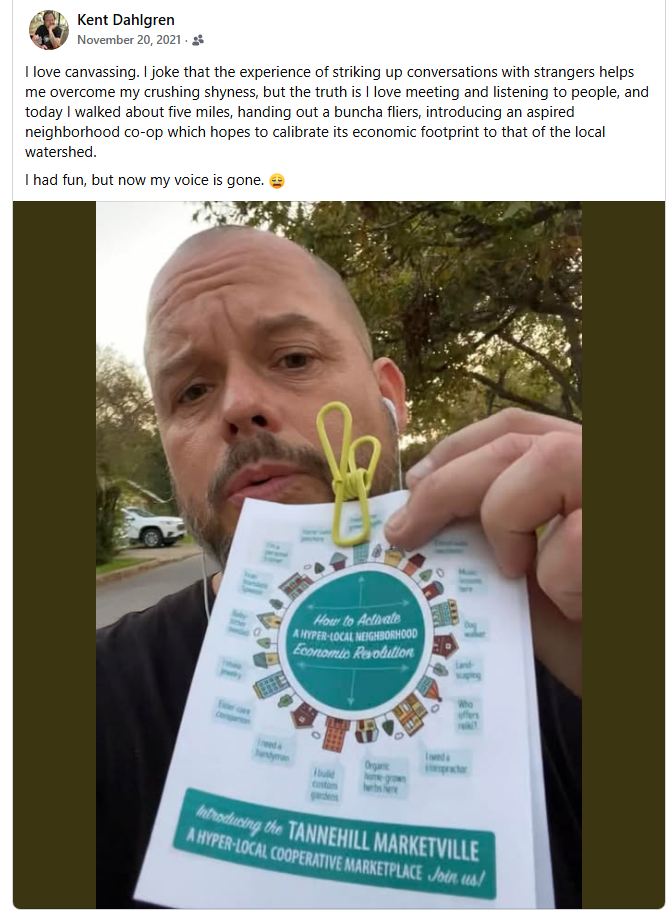
2021 fieldwork post
Eventually your voice gives out.

A 2021 post after thousands of flyers and more conversations than one human voice wanted.

2021

THE IDEA STARTED FINDING A SHAPE

First the relationships.
Then the diagrams.

Bene Esse didn't arrive as a finished methodology. Different pieces became visible at different times.

Human needs, local commerce, housing, food, wellness, education, energy, governance and technology kept appearing as parts of the same system.

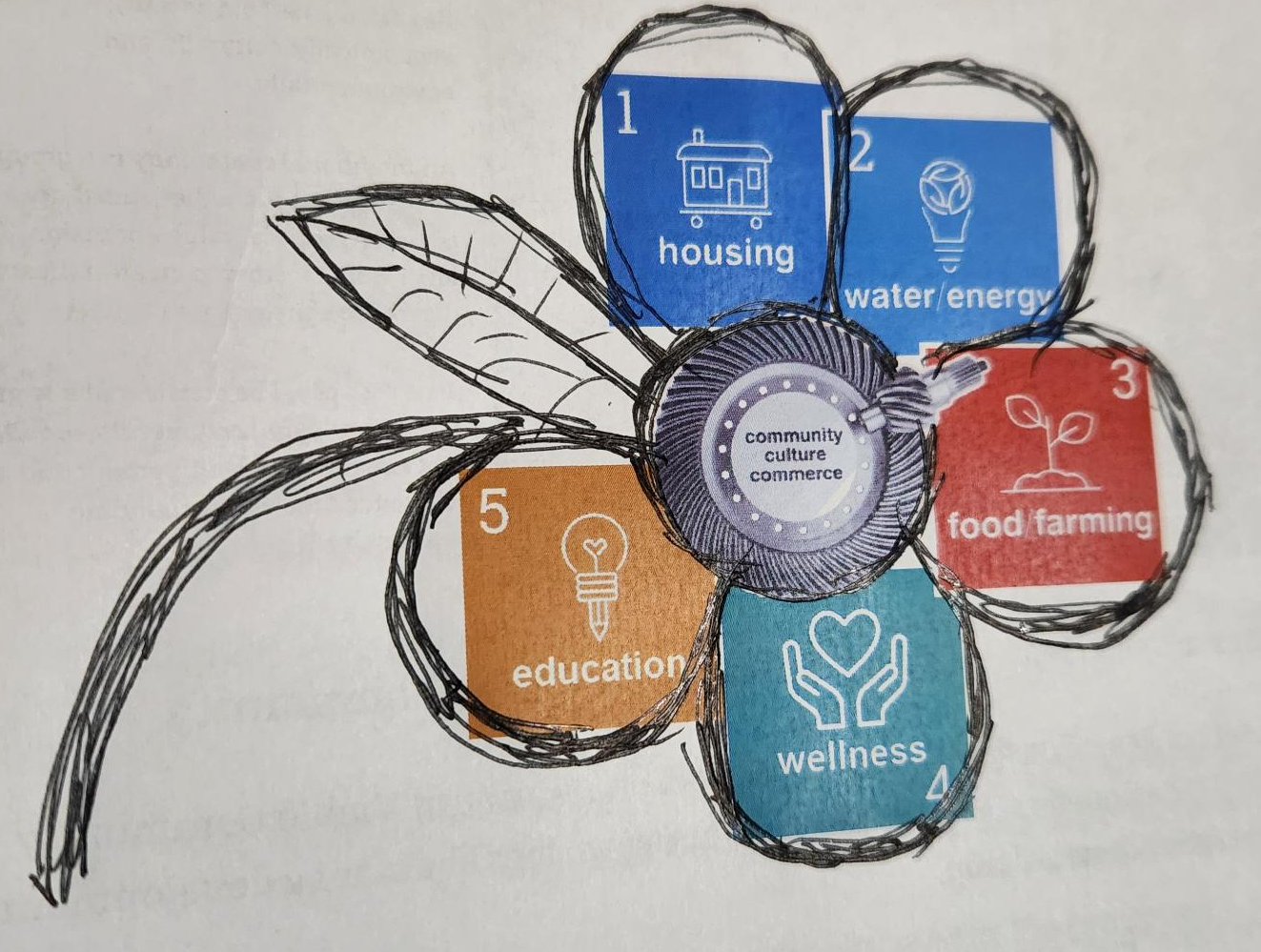
Early Bene Esse flower drawn by Trudy
An early attempt to draw the idea.

Trudy's hand-drawn exploration of the Bene Esse flower in 2021.

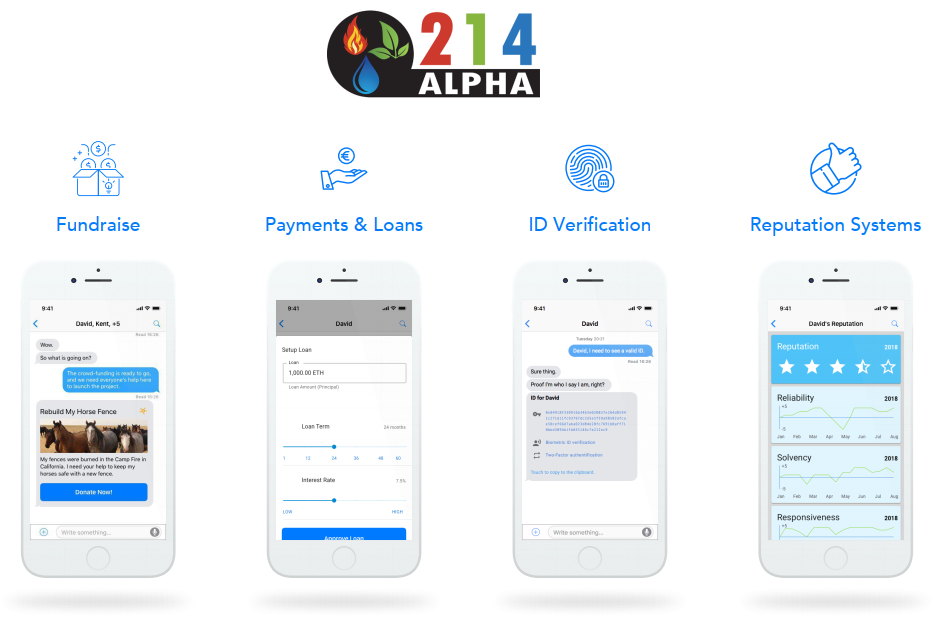
Later evolution of the community marketplace software
The technology evolved with the model.

By 2021, the earlier coordination software was being used to explore something more specific: whether the relationships visible around a kitchen table could become useful economic coordination at community scale.

THE LIVING LABORATORY

Then we became our own test subjects.

The theory became considerably more interesting once we had to live with it.

Bene Esse began operating across multiple households. People shared meals, childcare, rides, tools, skills, time, knowledge, relationships and other resources that rarely appear on a conventional balance sheet.

We found real economic benefits in sharing selected costs and capabilities.

We also tried organizational structures that didn't do what we hoped they would do.

Bene Esse operated for a time as a nonprofit. The structure produced some financial advantages, but it couldn't manufacture participation, reciprocity or social currency.

A legal structure could support community. It could not substitute for one.

So we kept the lesson and changed the structure.
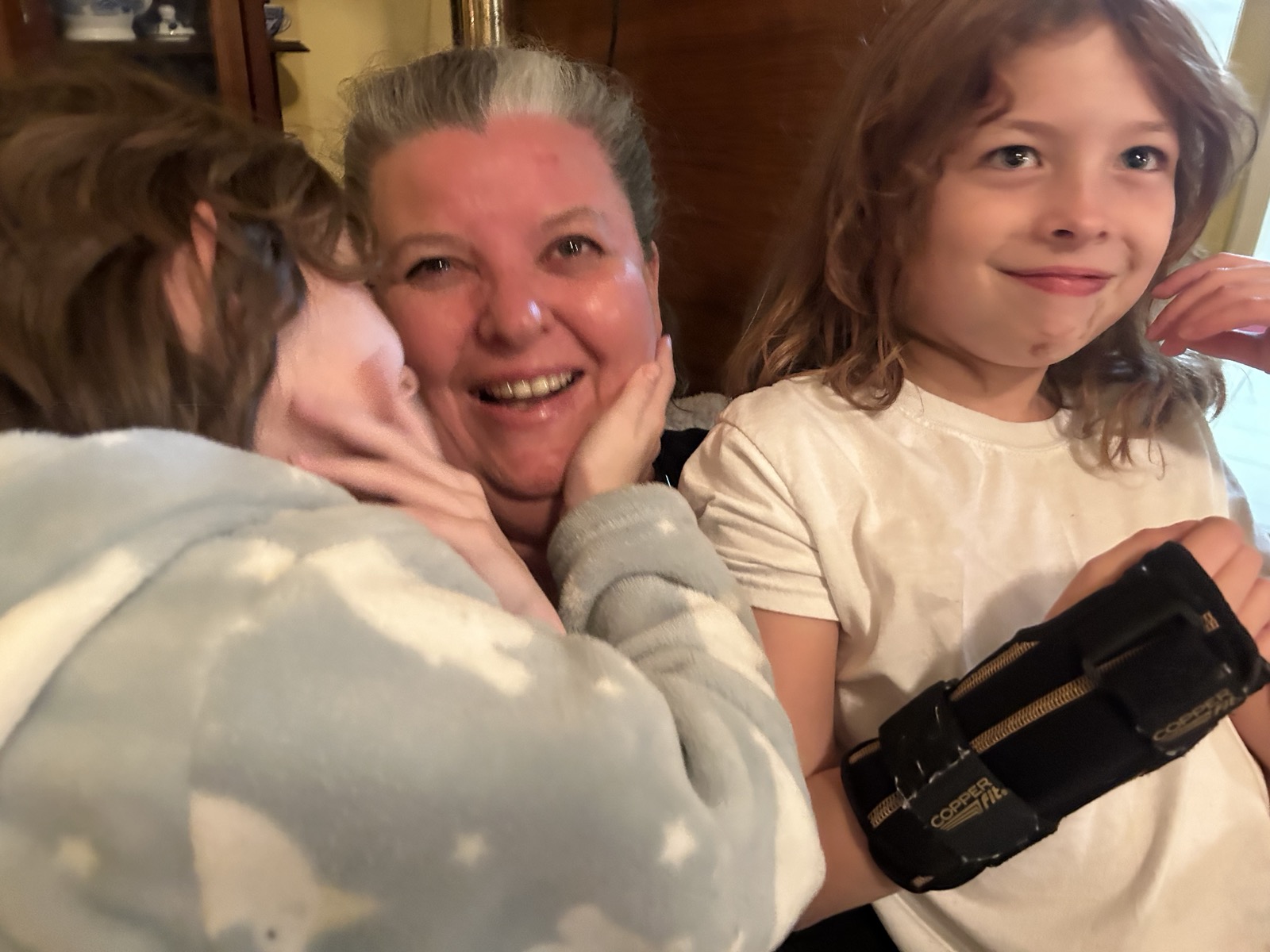
Ruth with the twins
Ruth, attempting to survive an aggressive deployment of twin affection.
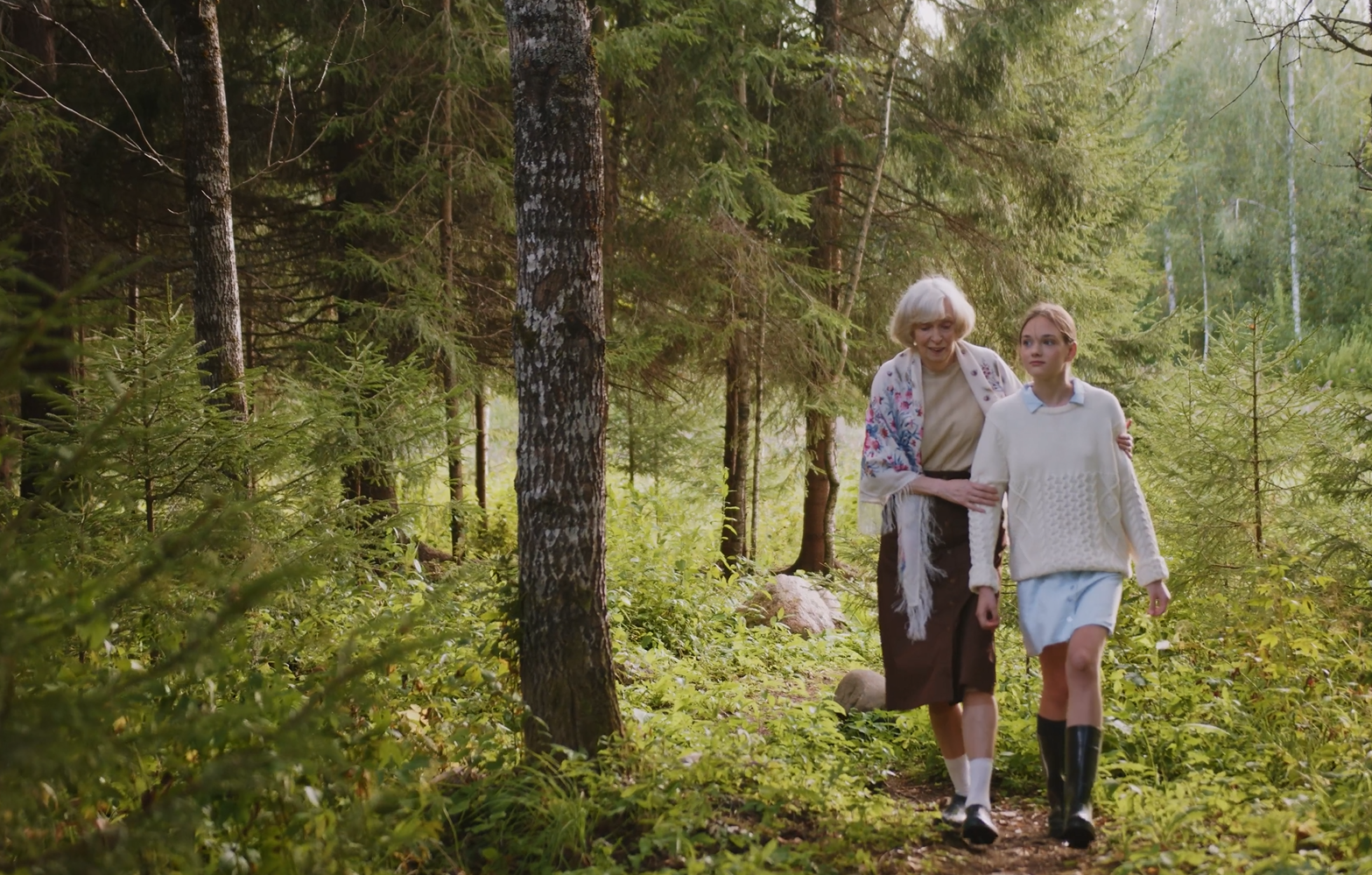
Woman and child walking home through the woods

SOMEWHERE ALONG THE WAY

Eventually the question changed.

We started by asking how to make a community antifragile.

We ended up asking what makes a community worth protecting in the first place.

What does it take to be well? BENE ESSE · TO BE WELL

THE PEOPLE WHO WERE ALREADY HERE

There wasn't a recruiting campaign.

Bene Esse grew around people who already knew one another, worked together, raised children around one another, argued about ideas, fixed things, made things, fed people and kept showing up.

These are some of them.

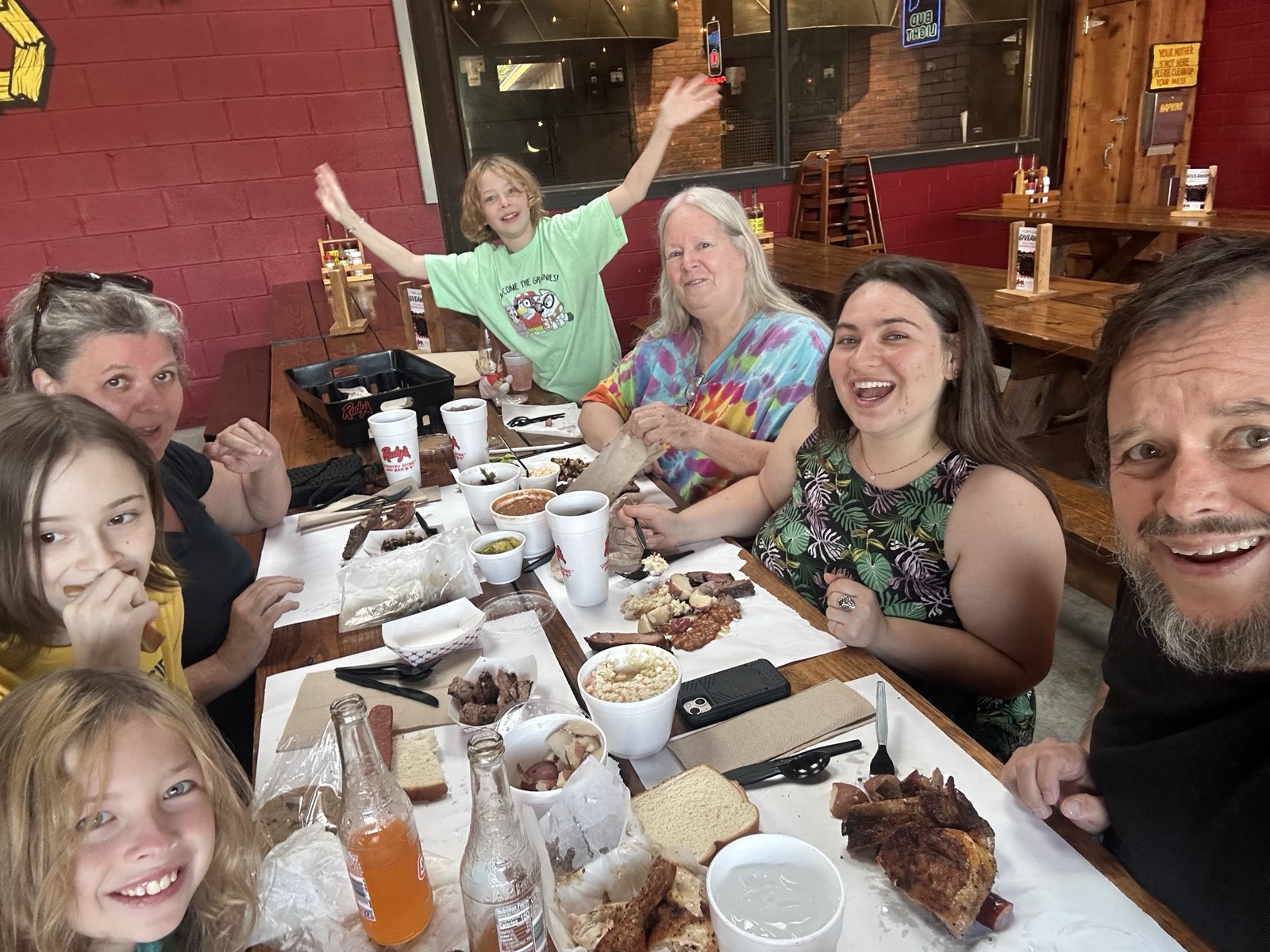
Bene Esse community sharing barbecue
Nothing says organizational cohesion like barbecue and several children refusing to behave like corporate photography subjects.
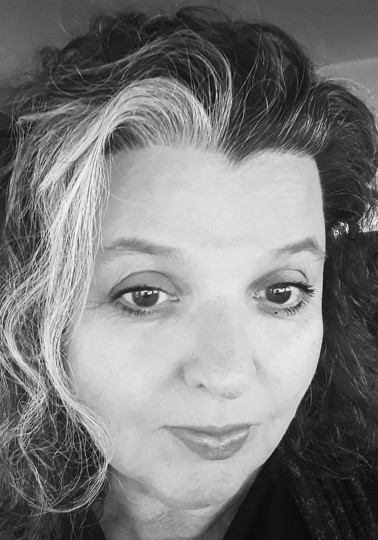
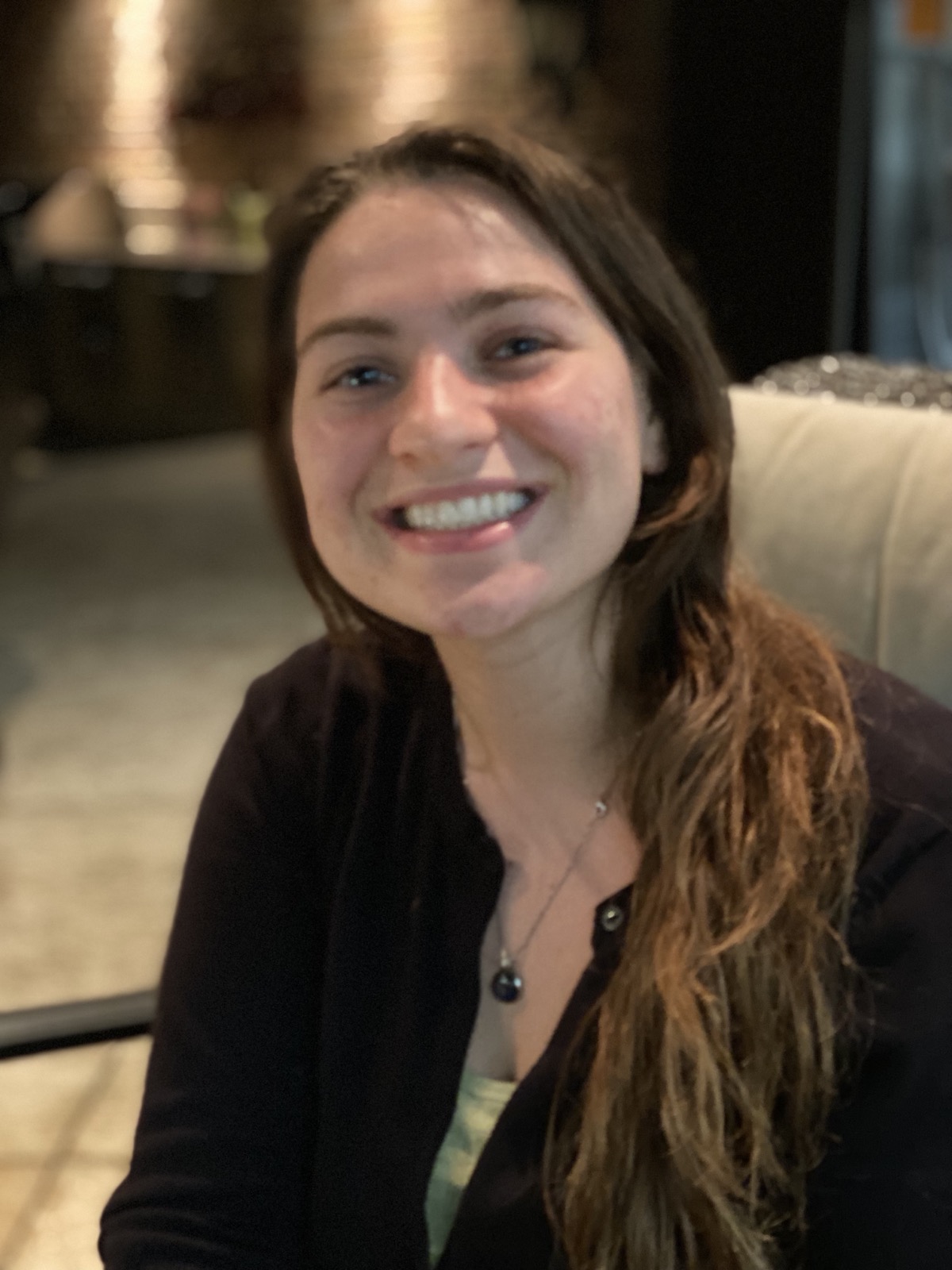
Sophie Maya Beilinson

SOPHIE MAYA BEILINSON

Sophie notices what needs care.

Associate Executive Director Bene Esse

She has a gift for making people—and places—feel cared for.

In September 2026, the Bene Esse Board appointed Sophie Maya Beilinson as Associate Executive Director as part of a structured transition and leadership-development process intended to prepare her to serve as Executive Director.

Sophie is the person who can walk into an ordinary room and somehow make it warmer, softer and more welcoming. Give her eighty square feet and, before long, there will be good lighting, fuzzy pillows and a reason people want to stay awhile.

But Sophie's real gift isn't decorating. It's attention.

When someone speaks, Sophie listens. Give her something important to read and she will sit with it, take her time, and keep reading until she understands.

That same patience makes her one of the most disciplined bookkeepers and organizers in the community.

Her usefulness crosses categories easily. Sophie models for art students. She nannies and pet-sits. She cooks, organizes, cares for homes and cares for people.

And in a slightly less predictable corner of her résumé, she enjoys working on cars and trucks—including keeping an elderly Toyota Avalon alive.

Sophie is difficult to reduce to a job title because the common thread isn't a profession.

She notices what needs care, pays attention to the details, and leaves things a little better—and usually a lot cozier—than she found them.
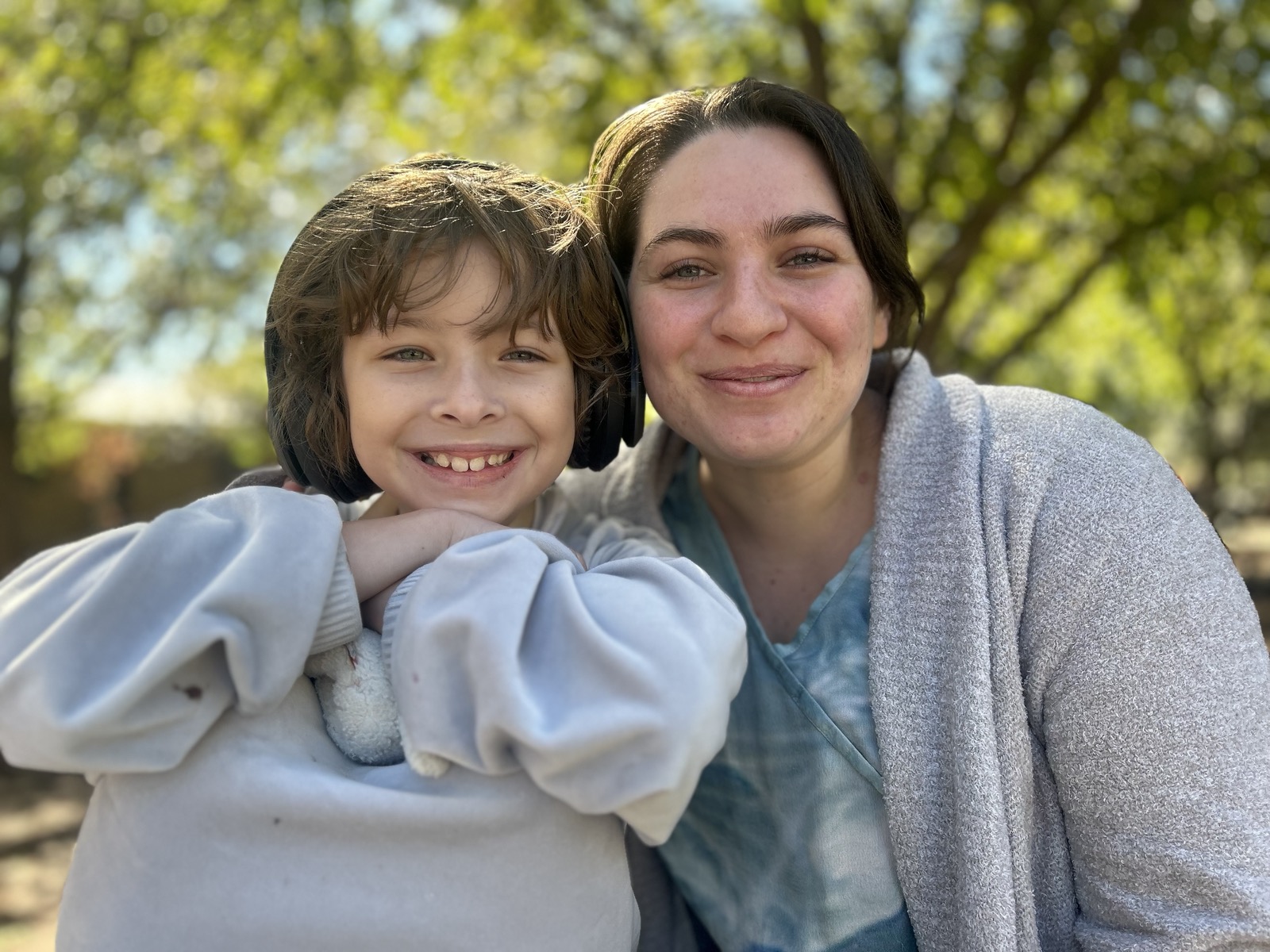
Sophie with Evelyn
Sophie and Juliet.
Kent Dahlgren

KENT DAHLGREN

Kent builds systems.

Sometimes they're software systems. Sometimes they're community systems. Usually he starts by asking why the thing everyone accepts as inevitable has to work that way at all.

Kent's professional life began in information security while serving in the U.S. Air Force and eventually included senior technology and product leadership at companies including Tektronix and Xerox.

Over decades of product development, he has helped take technologies from idea to global deployment across software, security and manufacturing.

The other half of the story has always been community. Kent founded Skaters for Public Skateparks, served on the board of the Tony Hawk Foundation, and spent decades in grassroots environments where useful infrastructure often exists because ordinary people decided not to wait for somebody else to build it.

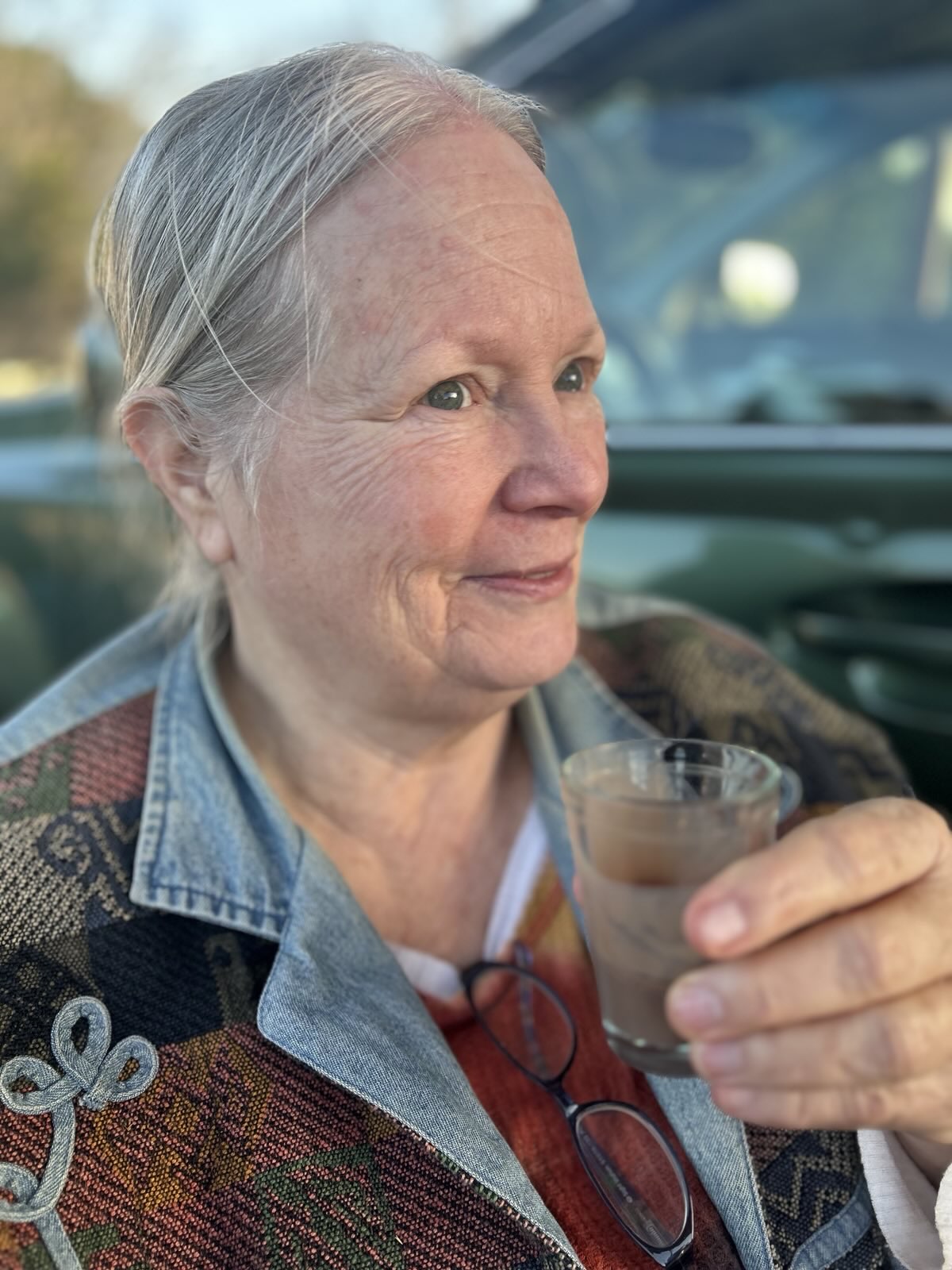
Ruth Glendinning

RUTH GLENDINNING

Ruth sees economies hiding inside relationships.

Her work begins with a deceptively simple question: what useful capacity is already here that nobody is counting?

A veteran of Price Waterhouse Coopers and Choctaw Nation, Ruth is the founder of Future Story Lab.

Her work centers on building ecosystems of relationships, connections and creative partnerships around real market needs—then using the right amount of technology to help those ecosystems produce and retain local wealth.

In 2010, ABC World News Tonight covered her work repurposing a defunct grocery store into an incubator that ultimately launched more than 90 household-scale businesses.

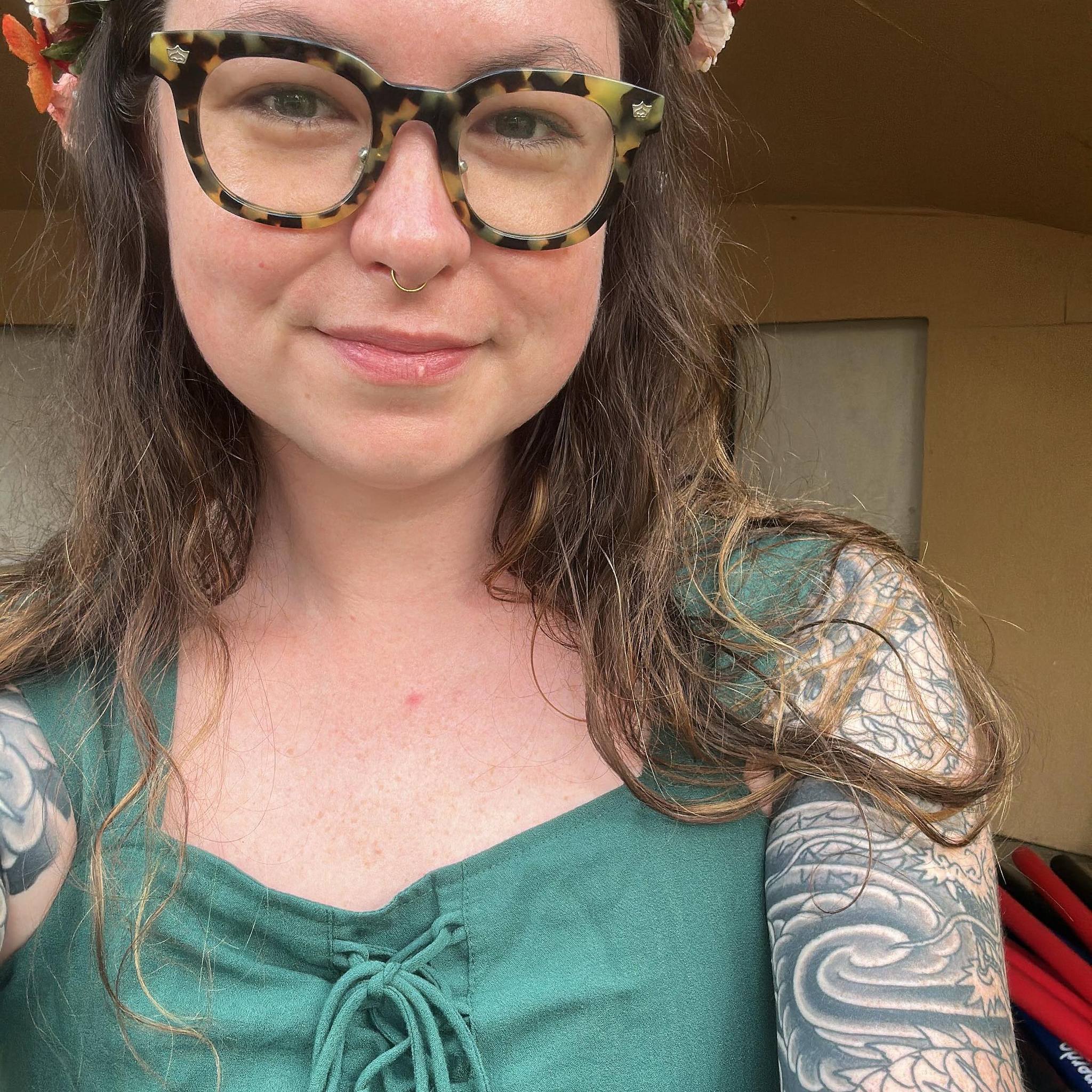
Trudy Martinez

TRUDY MARTINEZ

Trudy starts with the human being.

More than forty years in health taught her that systems only work when they work for the people living inside them.

Trudy's background as a deeply experienced health practitioner became unexpected preparation for product and community design.

As a non-technologist working alongside technologists, she became the person asking whether a system actually recognized the people it claimed to serve.

She helped shape the human-centered design philosophy behind 214 Alpha and became a principal guide behind CALM: Community Activation and Launch Methodology.

Jacklyn Westbrook

JACKLYN WESTBROOK

Jacklyn is difficult to put in one box.

Which is generally true of useful people.

Jacklyn's professional life crosses information security, research, sales and performance arts.

Her work in open-source intelligence requires the ability to look closely, separate signal from noise and understand complicated situations without pretending they are simpler than they are.

In another apparently unrelated corner of her life, Jacklyn is trained in theatrical combat across disciplines including unarmed combat, longsword, rapier and dagger.

She is also a mother, which may be the better explanation for why complexity doesn't seem to frighten her.

WE'RE STILL LEARNING

Bene Esse isn't finished.

That's important.

It is still a living laboratory: a method assembled from things that worked, things that failed, people who stayed, relationships that deepened, and years of trying small things in the real world.

We don't believe other communities should copy ours.

We believe they should learn to recognize their own.

You may already have more of the ingredients than you think.

Start with what you already have →