Real demand before construction
Virtual participation can reveal who is engaged, what people buy, what they provide, and which needs repeat before major physical capital is committed.
Bene Esse · To be well
Bene Esse is a method for assembling people, useful work, institutions, land, infrastructure and capital into a functioning local economy—and, where appropriate, building housing around it.
The houses are part of the system. They are not the whole business model.
Thinking about living in or building a Pod? Open the Bene Esse Dream Builder and see how much of the dream may already be in place. ↗
Why this can be investable
A conventional development largely depends on the value of the real estate itself. Bene Esse is designed to layer productive activity, recurring services and local commerce around the physical community—so value can be created both inside the Pod and beyond its property line.
That outward reach is the economic halo effect. The larger the useful market around a Pod, the less its economics depend on extracting more from the people who live there.
Virtual participation can reveal who is engaged, what people buy, what they provide, and which needs repeat before major physical capital is committed.
Housing can sit beside commercial leases, services, local commerce, subscriptions, shared infrastructure and other recurring or transactional activity.
Useful businesses and services do not have to stop at the property line. Serving surrounding households can expand revenue without requiring every customer to become a resident.
The goal is not to ask money to create community from nothing. It is to put financial resources behind people, demand, coordination and productive capacity that are already beginning to work.
Bringing capital?
Skip the kitchen-table tour. Go straight to the causal model, revenue logic and what additional capital can accelerate.
Start with the full balance sheet
Money is one form of wealth.
It is not the only one.
Most development models are very good at counting financial capital and physical assets. They are much worse at counting the people, skills, relationships, institutions, equipment, knowledge and existing demand that determine whether a place can actually function.
Bene Esse brings those assets onto the same planning table. That matters because a project that can demonstrate participation, useful capability and local demand is a very different proposition from a project that begins with land and a rendering.
We are not trying to make money irrelevant. We are trying to make money more effective.
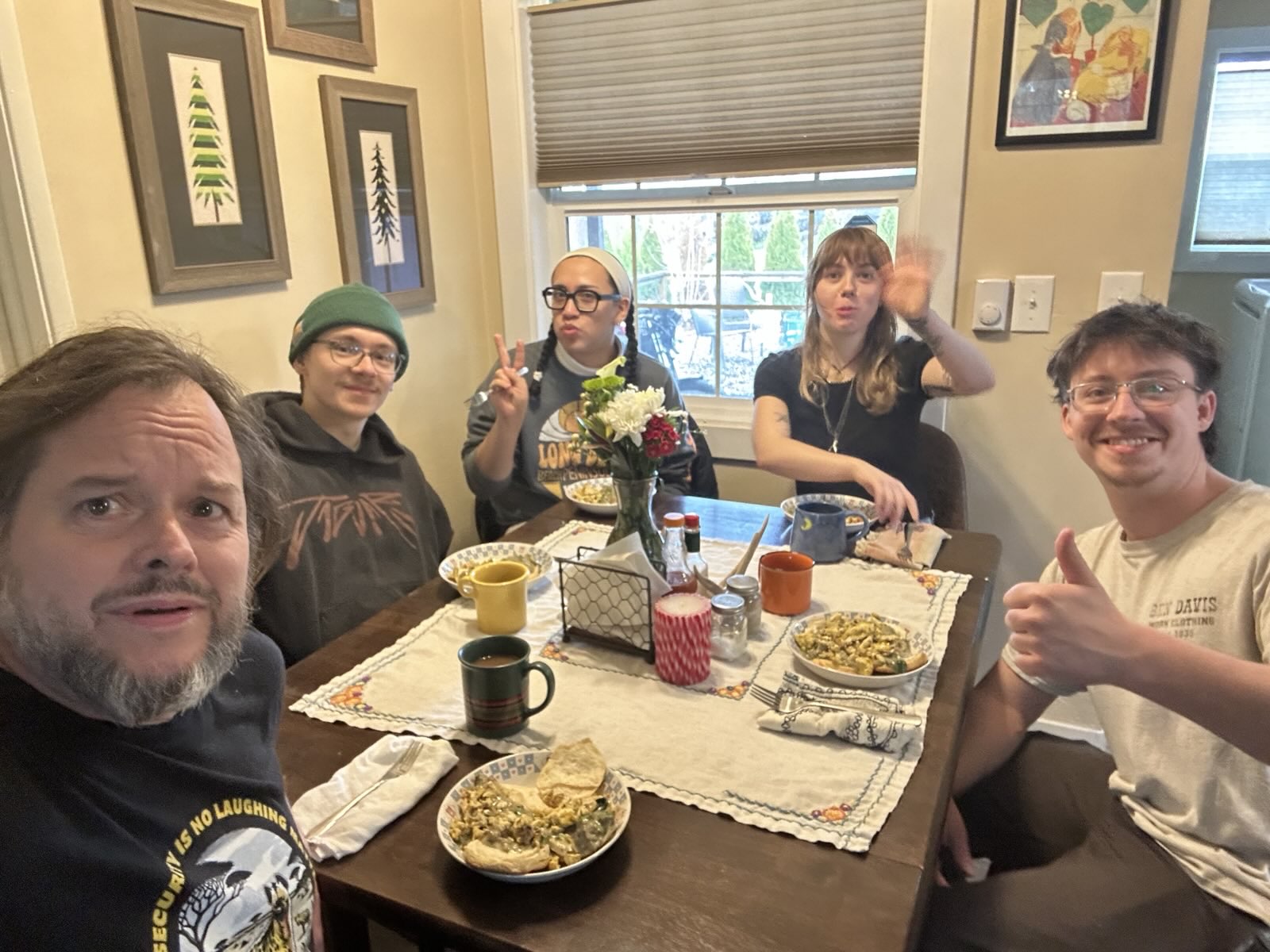
The oldest community technology we know
At kitchen tables, families decide what matters. Neighbors figure out who needs help. Somebody finds work. Somebody turns a recipe into income. Somebody says what isn't working. Somebody remembers what happened last time.
Cheryl Bassitt brings Kitchen Table Conversations: the human work of listening, understanding, building trust and deciding how we want to live together.
Ruth Glendinning brings Kitchen Table Capitalism: the late-night conversation where people look at what they have, what they know and what they can do—and figure out how to rub two nickels together until something useful happens.
The table is where a community becomes legible to itself.
Home never had one face
Different food. Different music. Different stories. Different walls. But the work was remarkably familiar: feed people, pass down what you know, find out who needs help, stretch what you have, and make room at the table.
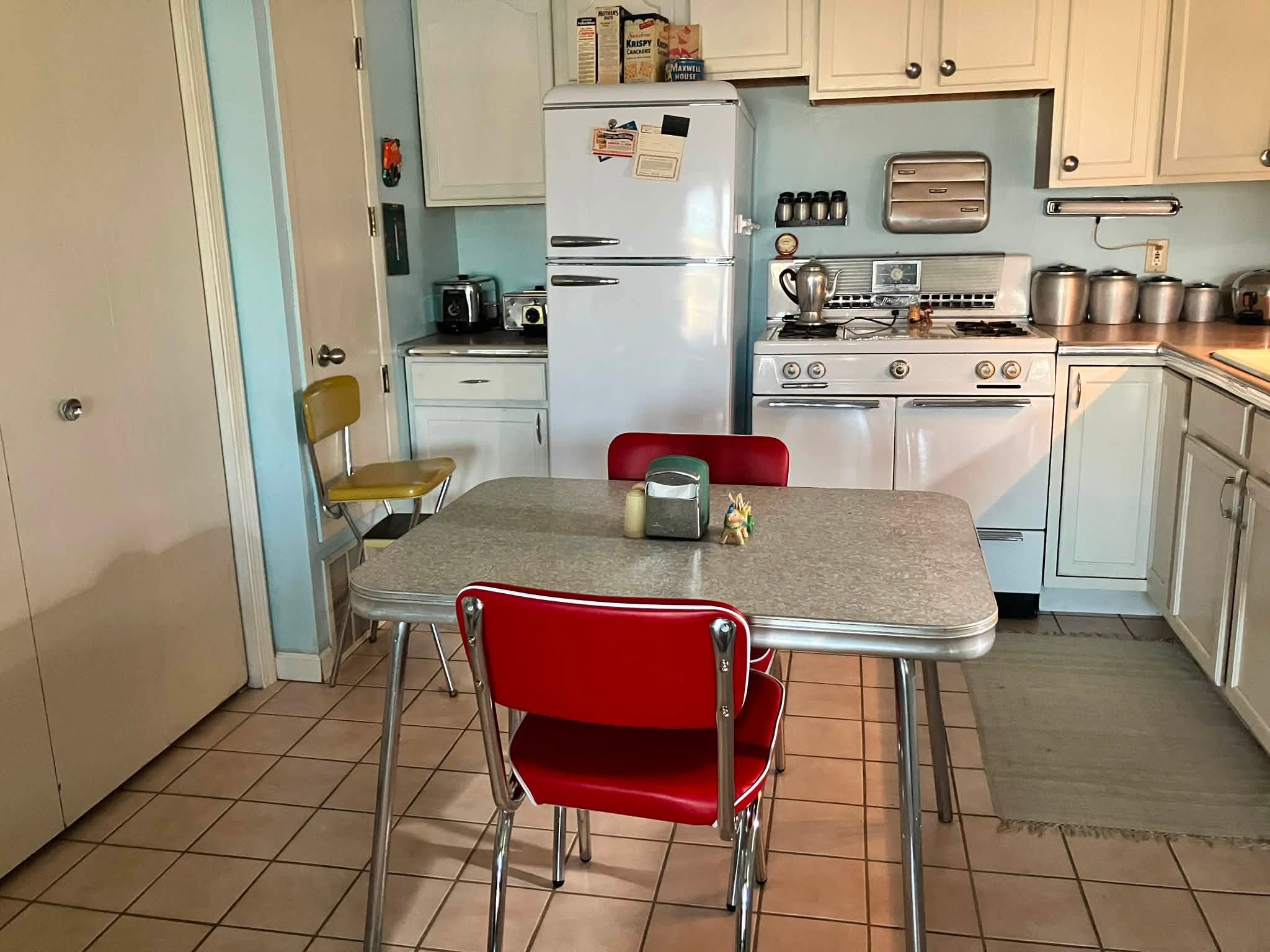
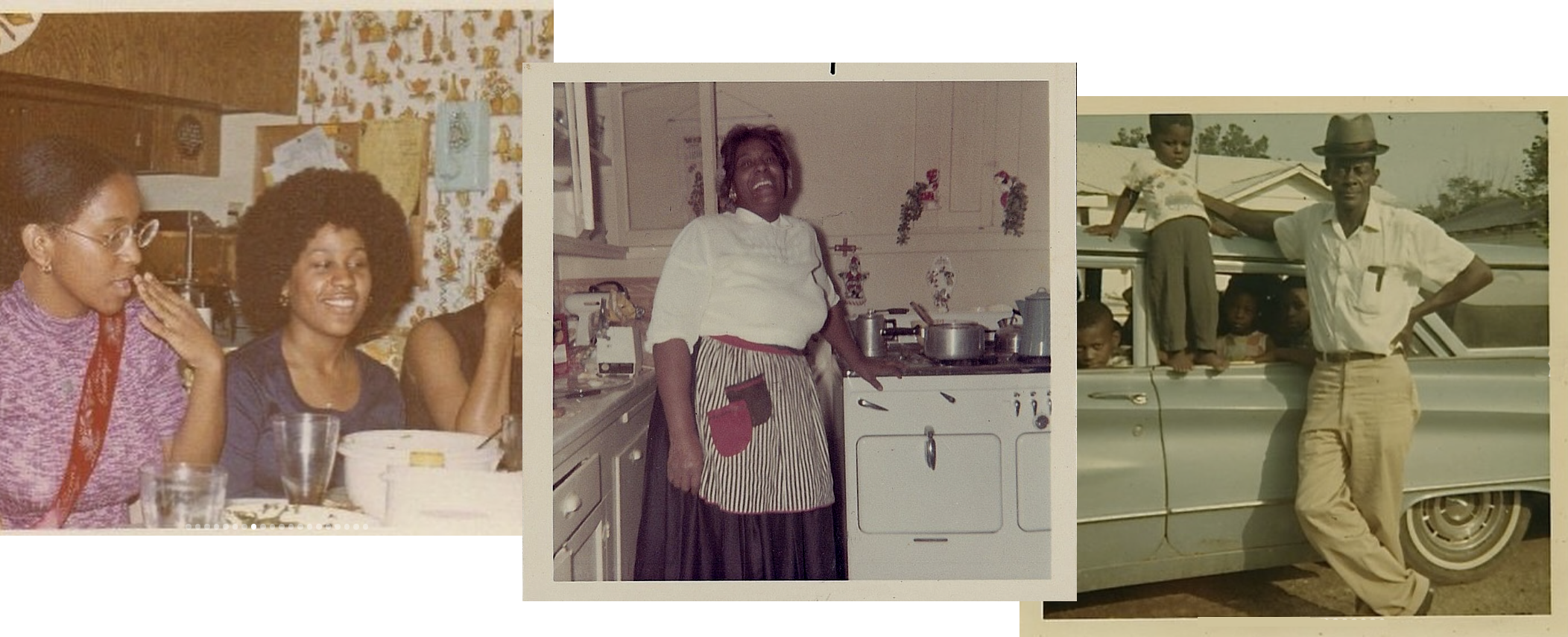
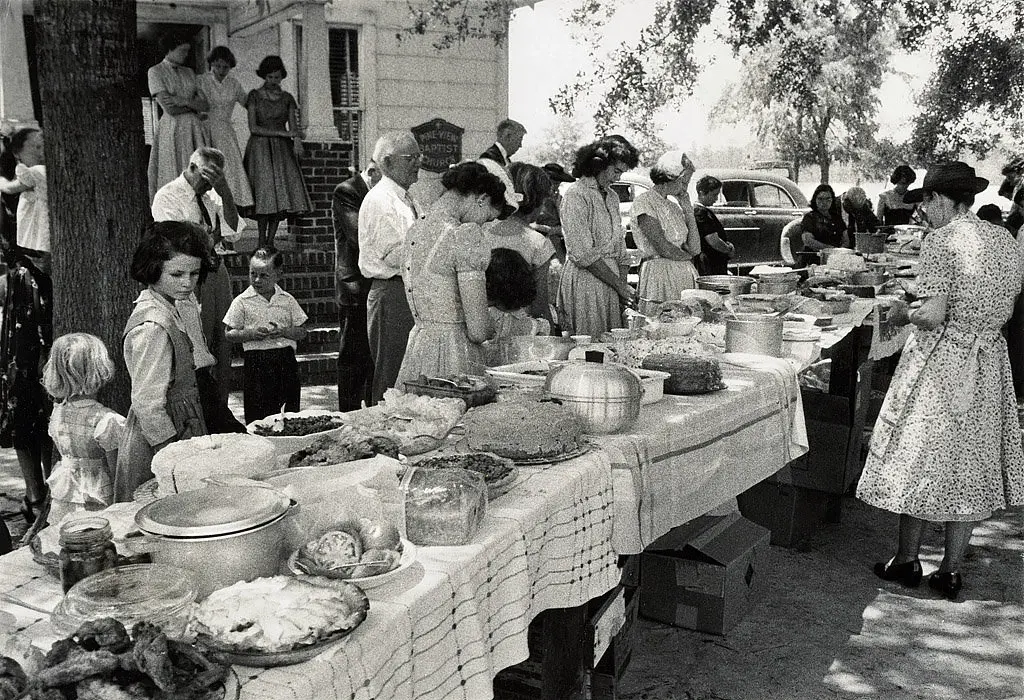
Different seats · Same table
Bene Esse is the same operating model seen from different places. Capital does not need the same first conversation as a family looking for home. A landowner does not need the same first conversation as a church.
I want to understand what this place could enable and how it can create lasting value.
Explore the land pathway →We have people, property or mission capacity and want to turn it into housing and opportunity.
Explore the church / nonprofit pathway →I want affordability, belonging, useful neighbors and a place my family can actually call home.
See how far you've already come →I want more customers, more work and more of the value to stay close to home.
Explore useful work →We need housing and economic development that builds from what already exists.
Explore community capacity →I want durable projects with real demand, recurring activity and a credible path to return.
Show me the economics →For when you're ready to come home
A blueprint tells you exactly what to build. A recipe tells you what generations before you learned, gives you an order that tends to work, and expects you to use what you have.
One community may begin with a church. Another with a landowner. Another with veterans. Another with six families who simply want their children to grow up together.
Same recipe. Different pantry.
We don't need to recreate the past. We need to remember what worked.
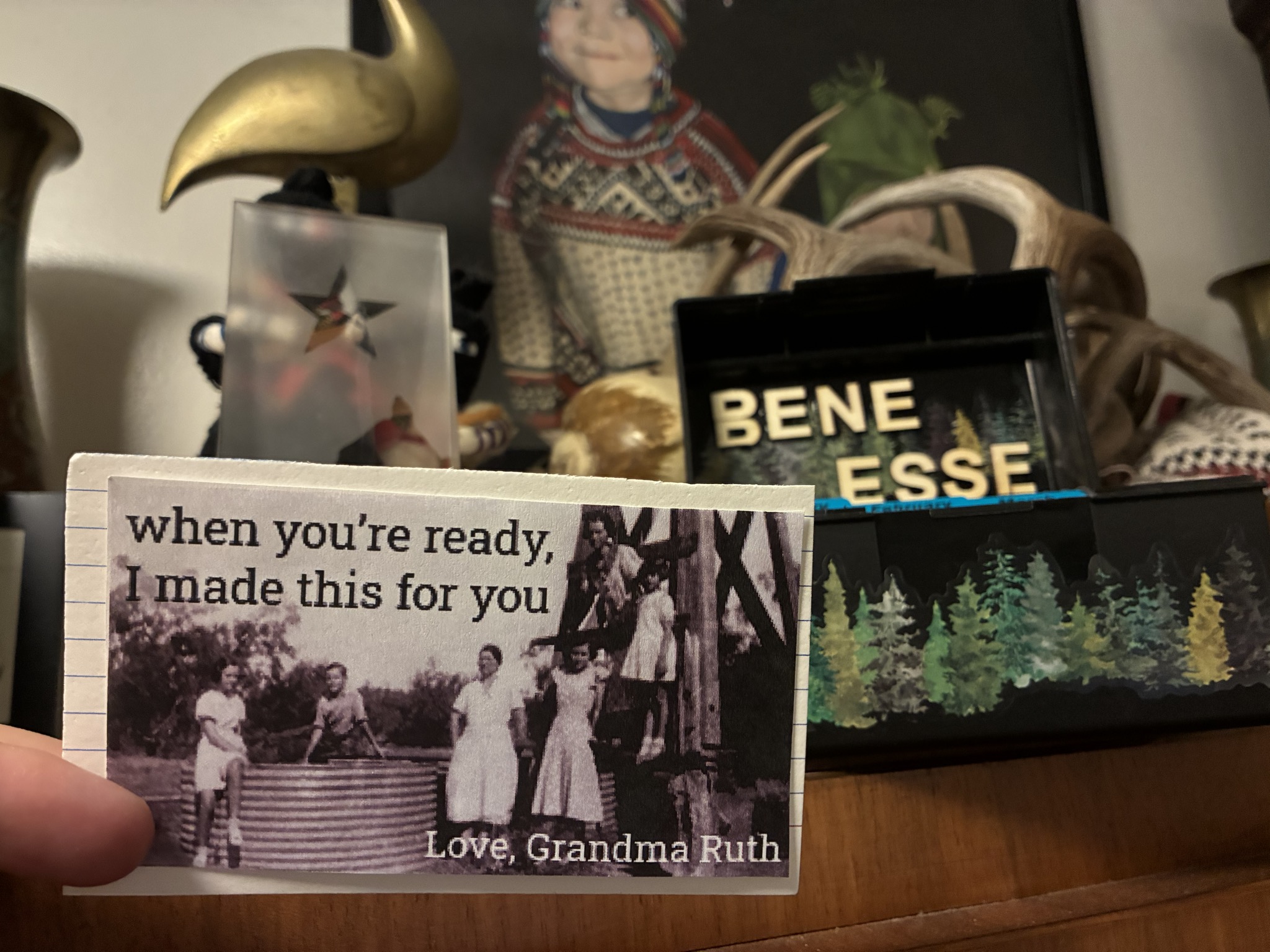
Start virtual · Build physical
Conventional development often begins with land, debt and buildings—and hopes a community appears afterward.
Bene Esse can begin with people. The community starts learning, trading, working, governing and solving problems together before anyone pours a foundation. What it actually needs becomes visible through participation.
Identify the people, needs, skills, assets, values and problems already present.
Use the Bene Esse App to create local commerce, work, reputation, coordination and shared decision-making.
See who participates, what people buy, what they can provide and which needs keep appearing.
Add land, homes, workspaces, food systems and shared infrastructure in response to demonstrated need.
Let the community become useful not only to its residents, but to the people and businesses around it.
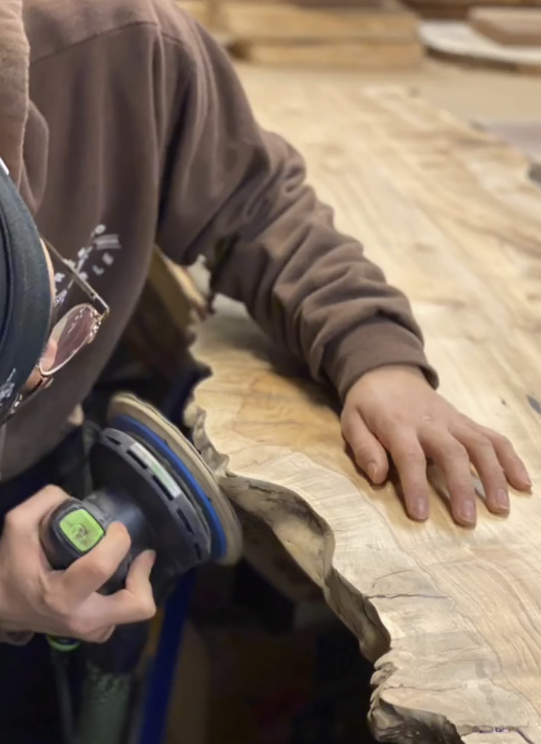
The recipe is old. The tools don't have to be.
The Bene Esse App is the digital coordination infrastructure beneath those relationships. It lets a community begin operating before it occupies the same piece of land: finding local work, buying from one another, building reputation, organizing projects and learning how to make decisions together.
Technology has one job here: extend the reach of the kitchen table without destroying what made the kitchen table work.
Explore the Bene Esse App →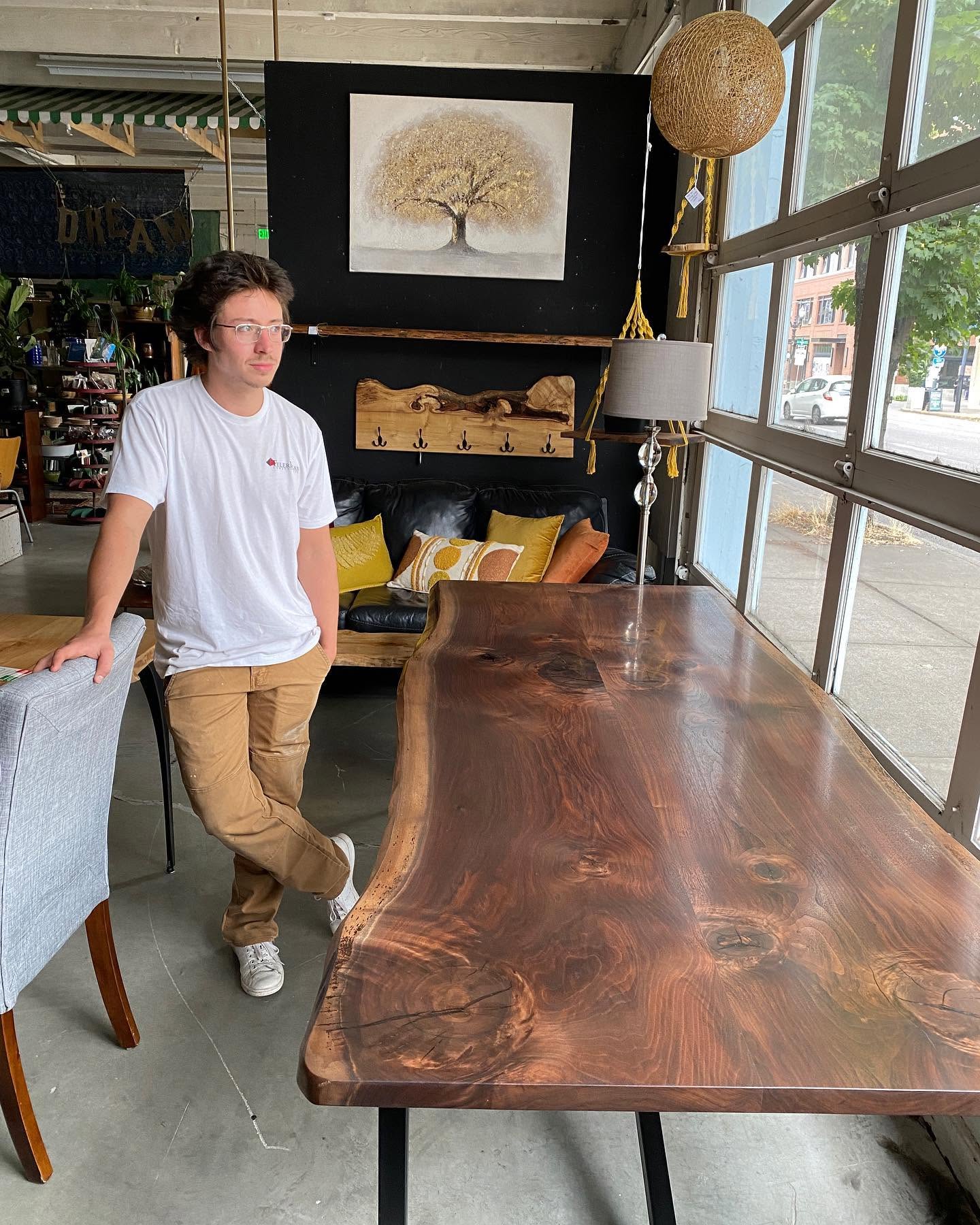
This runs deep
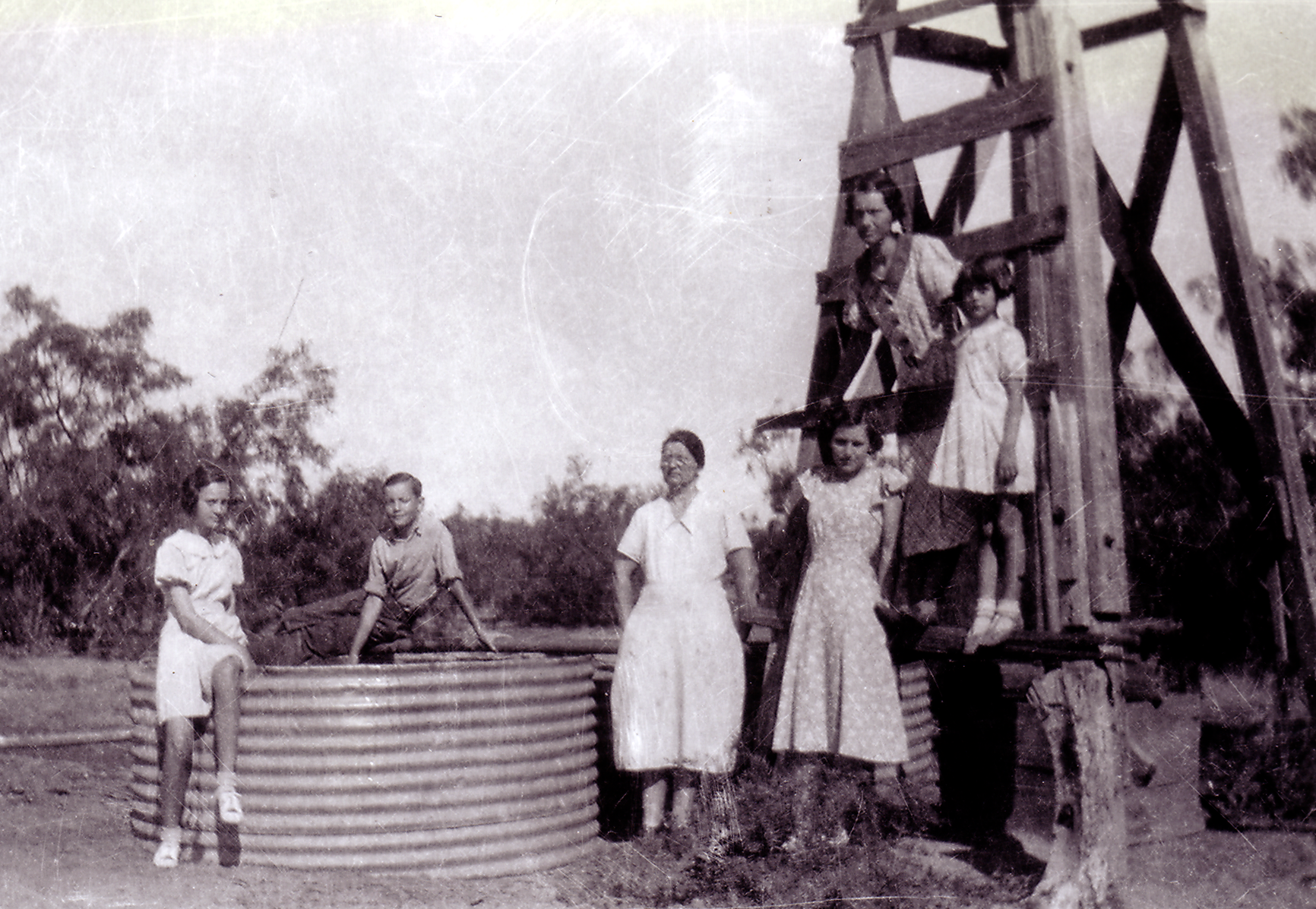
Some of the people who informed this work never heard the words Bene Esse. They were simply trying to get everybody through.
Families survived hard years with forms of wealth that rarely appeared on a balance sheet: competence, memory, land, food, labor, relationships, trust and the expectation that useful knowledge should be passed along.
Bene Esse grew from that inheritance and from decades of practical work in community building, local economic development, governance and technology. During the COVID era, work between 214 Alpha and Future Story Lab became the Anti-Fragile Playbook: an effort to understand how communities could respond to economic shocks using what they already possessed. Those experiments eventually became Bene Esse.
This isn't a blueprint for going backward. It is a recipe for carrying forward what still works.
Start where you are
A landowner may begin with place. Capital may begin with economics. A church may begin with underused capacity. A family may begin with a dream of somewhere better to live.
Choose the doorway that matches what you are bringing.
Looking for the Dream Builder? It opens as a separate workspace from the resident / organizer pathway above.