You are probably not starting from nothing.
The people, places, institutions, skills and relationships that make a community possible may already be around you.
The work is learning how to see them together.
A neighborhood is more than the houses you can see from above.
From a distance, a community looks like streets, roofs and property lines.
Up close, it contains people who know things, people who make things, people who care for others, spaces that sit empty part of the week, institutions with trust, businesses with equipment, elders with memory and neighbors who already help one another.
Most of that wealth never appears on a map.
Bene Esse begins by making it visible.
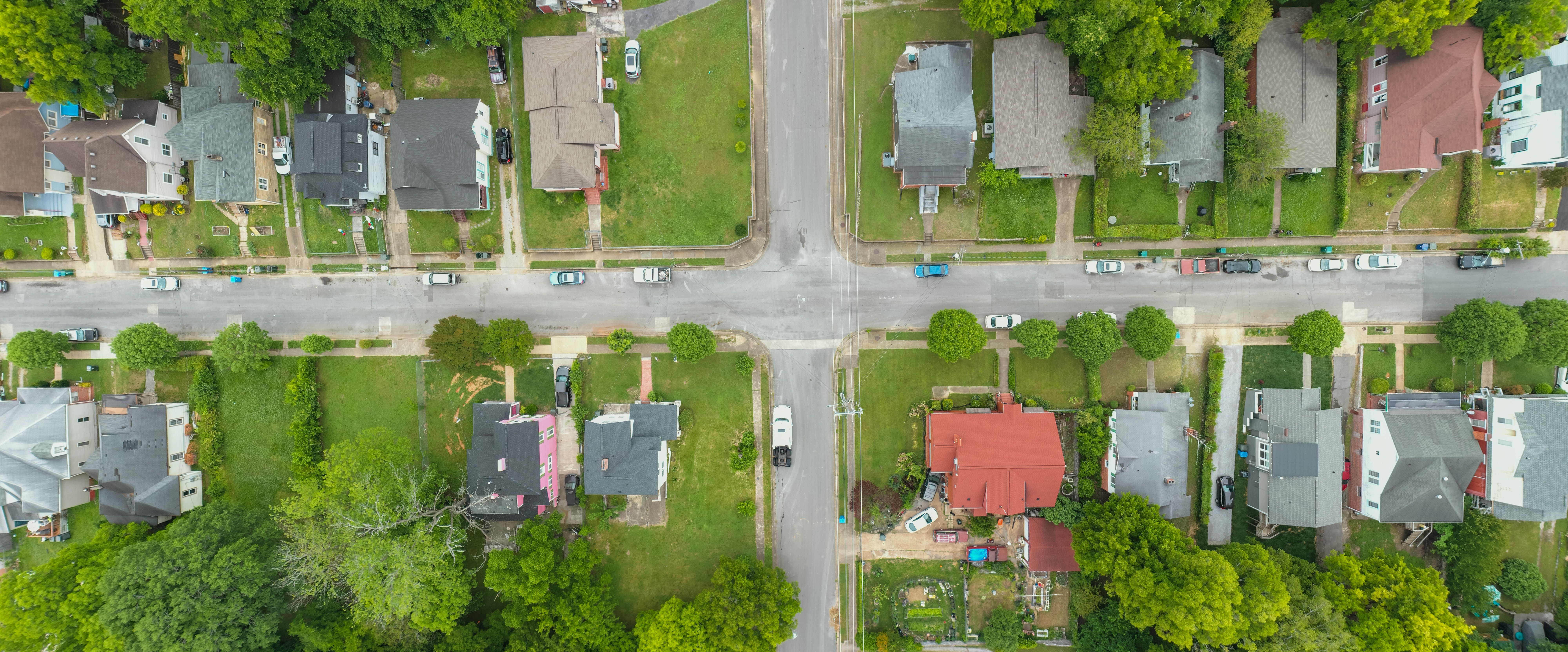
A community is a network of useful nodes.
A node can be a person, a place, an institution, a relationship or a capability.
People
Neighbors, elders, young people, tradespeople, caregivers, business owners, organizers and people who simply know who to call.
Places
Homes, kitchens, classrooms, gardens, parking lots, meeting rooms, workshops, storage and land that may already be underused.
Institutions
Churches, nonprofits, schools, clubs, libraries, businesses and informal groups carrying trust and continuity.
Capability
Repair, care, teaching, food, transport, bookkeeping, organizing, building, growing and practical knowledge.
Relationships
The trust that already exists between people who have shared meals, solved problems, raised children or simply kept showing up.
Routines
Potlucks, school pickup, church supper, neighborhood texts, recurring favors and all the small systems people already rely on.
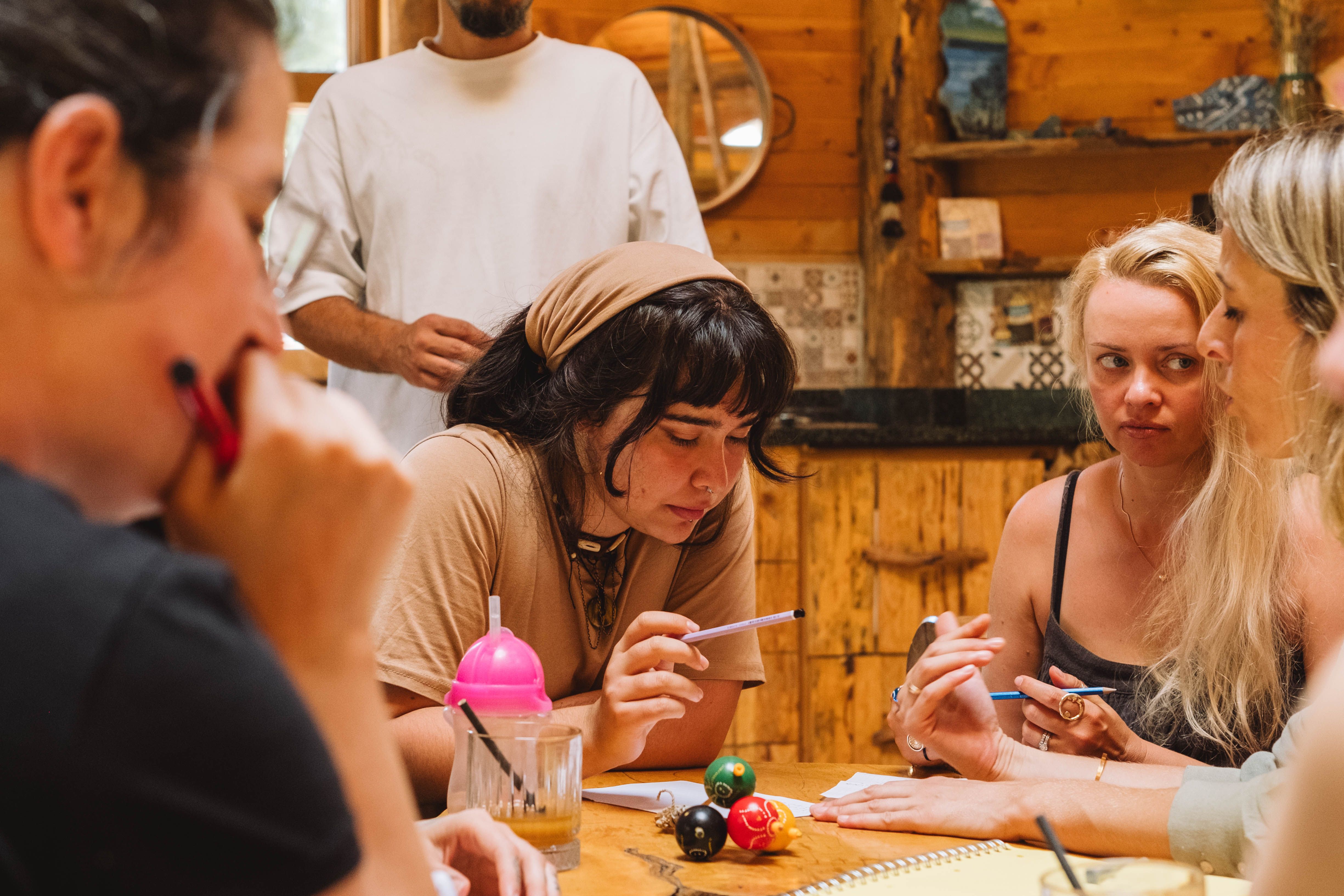
The table is where the pieces begin to become visible.
Someone mentions an empty classroom. Someone else knows a retired teacher. A neighbor has a van. Another person has tools. A church has a kitchen. A business owner needs part-time help.
None of those things is a community by itself.
But once people can see the pieces together, possibilities appear that were invisible when each piece stood alone.
A useful node does not have to be large.
Infrastructure begins when people understand what something is for—and can depend on it.
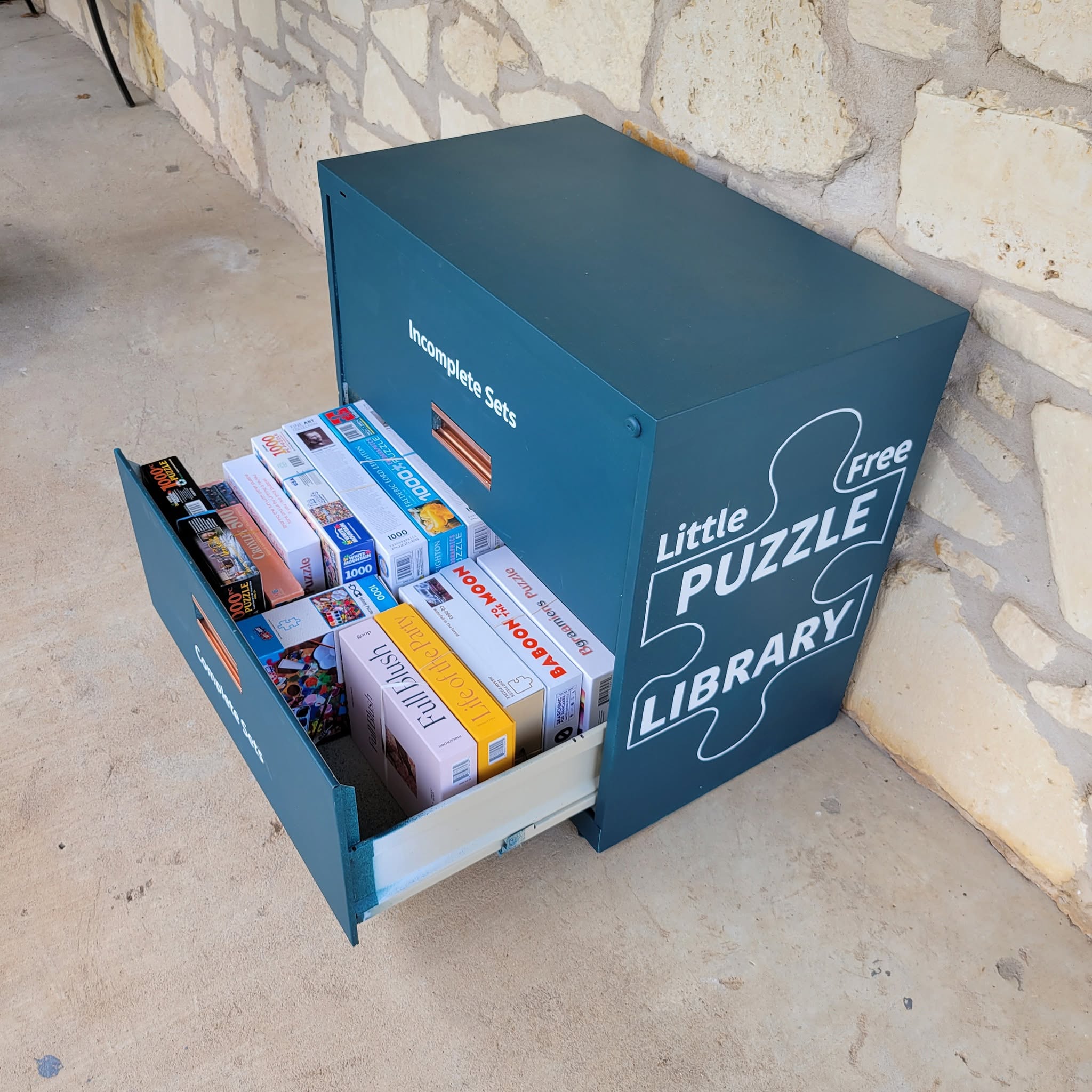

A puzzle library is tiny. An empty classroom looks like nothing happening.
But one is already a working exchange system. The other is dormant capacity.
The question is not whether an asset looks important. The question is what it could enable.
How much community infrastructure is already around you?
Check the things that already exist in your neighborhood, town, congregation or network.
There is no magic score here. The point is to stop looking only for what is missing and begin recognizing what is already present.
People & capability
Places & physical assets
Institutions & relationships
Start checking what is already there.
People usually discover that they are not beginning with an empty page.
A community is partly what people already do for one another.
Checking on a neighbor. Bringing food. Watching a child. Giving someone a ride. Making an introduction. Showing up when something goes sideways.
These acts often disappear from economic statistics because no invoice is generated.
That does not make them economically or socially insignificant.
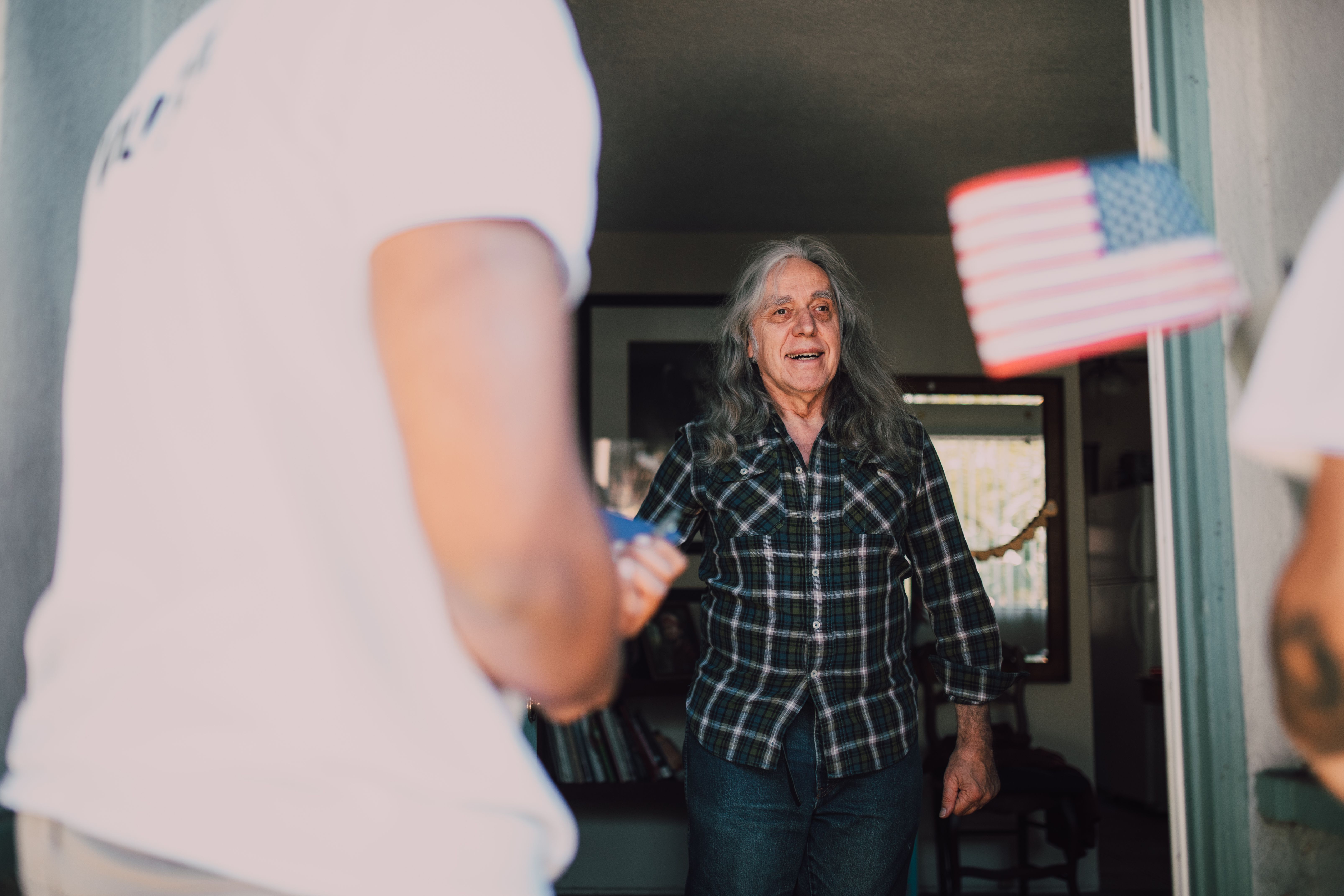
Some infrastructure walks around on two legs.
A community loses capacity when knowledge cannot move between generations.
Elders carry memory, technique, context and relationships. Younger people carry new tools, energy and access. The value is not in choosing one over the other.
It is in keeping knowledge in motion.
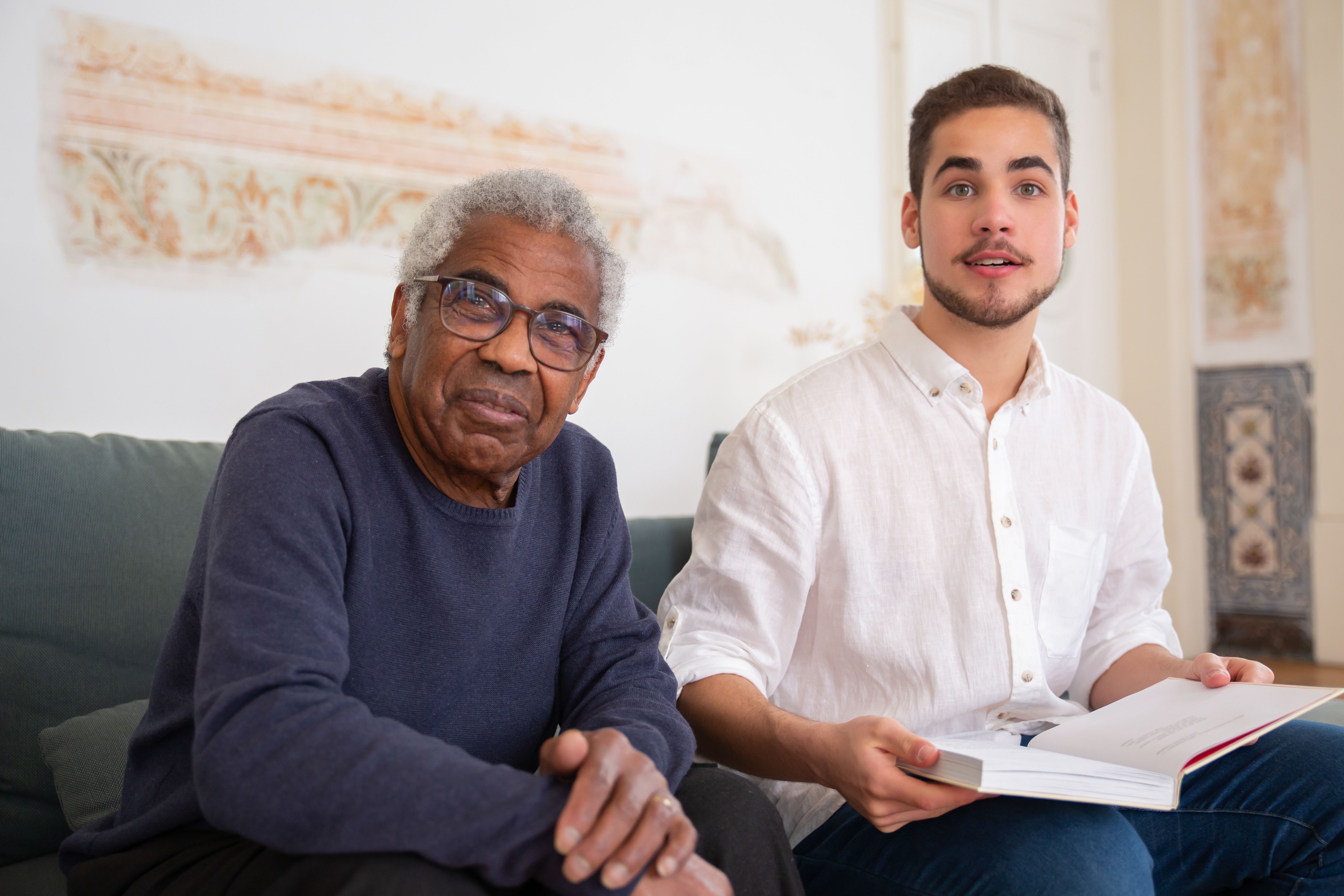

The pieces can begin finding one another.
Once a network grows beyond the people who already know everyone, memory and word-of-mouth stop being enough.
Who has space? Who can help? Who needs work? Who is trusted? What skills exist? What services are missing? What has already worked?
The Bene Esse App gives communities a local coordination layer for commerce, useful work, reputation, needs, services and decision-making—without requiring someone else to own the community itself.
See how the Bene Esse App connects the pieces →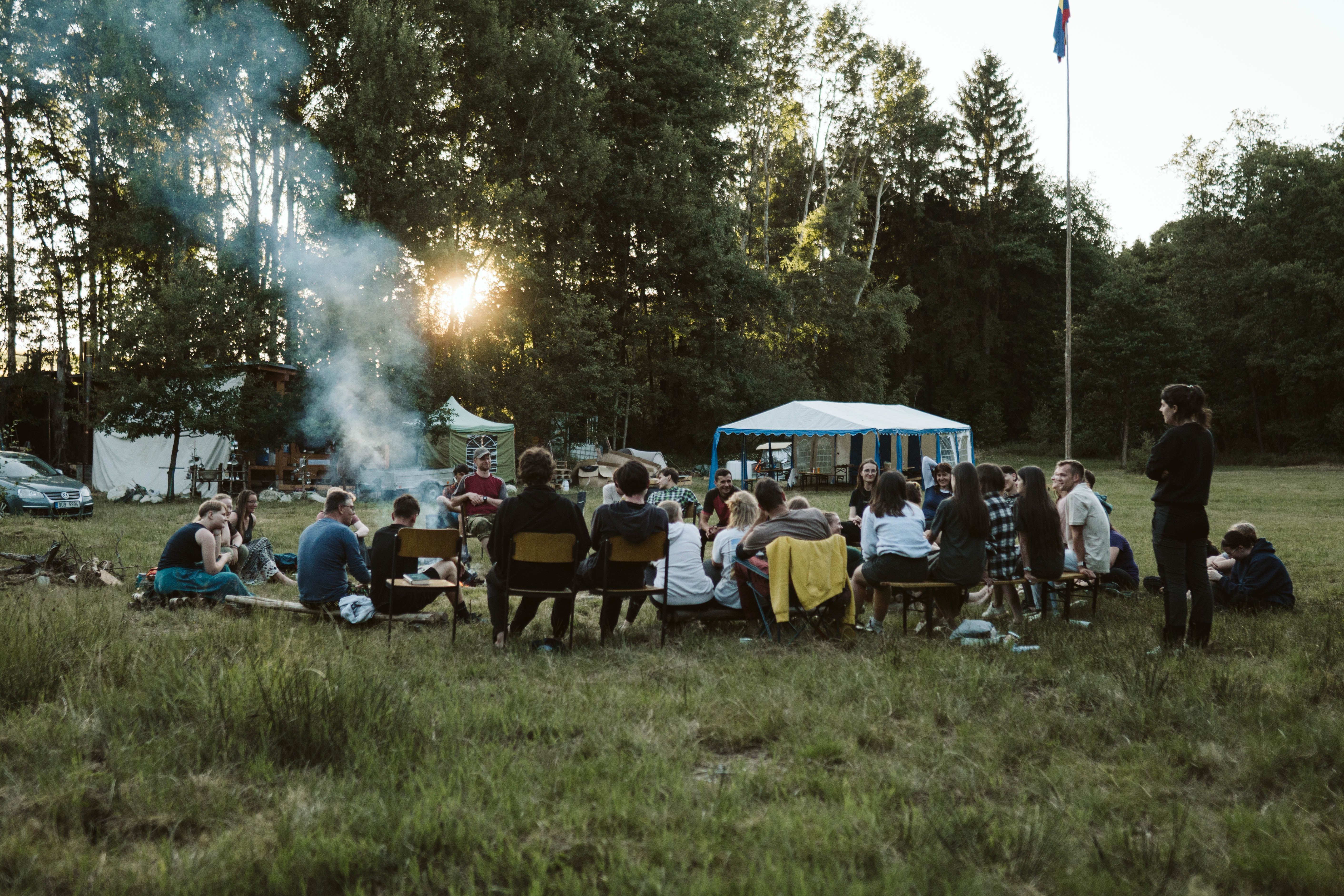
A community is powerful because the pieces can work together.
You do not have to bring all of them. Explore what else may already exist around you.
You may not need to create a community.
You may need to help one recognize itself.
Find the people. Find the places. Find the institutions. Find the capabilities. Make the relationships visible. Then bring the pieces to the same table.
Explore another piece →