
Make & grow
Food, gardens, cottage production, fabrication and the ordinary work of turning raw things into useful things.
Useful work is everywhere. It grows food, fixes cars, cleans houses, watches children, cares for elders, keeps books, teaches skills and makes ordinary life possible.
The first step is recognizing it.
Most communities already contain far more productive capacity than anybody has bothered to map.
Somebody knows how to grow things. Somebody can repair an engine. Somebody is good with children. Somebody can prepare food, clean a house, keep a set of books, mend a fence, care for an older neighbor or teach somebody else what they know.
Individually, those abilities can look small. Connected to people who need them, they become an economy.
Bene Esse starts by asking what people already know how to do.

Useful work includes paid work. It also includes the practical capability that keeps households and communities functioning.
Food, gardens, cottage production, fabrication and the ordinary work of turning raw things into useful things.

Cleaning, yard work, maintenance, transportation and the steady work that makes daily life possible.

Childcare, elder support, companionship, rides, respite and other forms of work whose value is often felt before it is counted.
You need to recognize what people already know how to do—and make it easier for the people who need it to find them.

A person can be a carpenter on Saturday, a neighbor with a trailer on Sunday, a teacher after dinner and the person everybody calls when the washing machine starts making that sound.
Traditional economic development tends to count firms, payroll and square footage. Bene Esse also looks for the human capability underneath them.
Because capability can be coordinated long before anybody builds a storefront.
A garden is productive. A neighbor buying the produce extends the halo.
The same is true of auto repair, bookkeeping, childcare, housecleaning, prepared food, tutoring, carpentry or dozens of other ordinary capabilities.
When useful people inside a community serve people beyond it, money, relationships and reputation move back through the network.
The property line is not the edge of the market.

This little exercise does not predict revenue. It makes the hidden capacity visible.
Change the number of useful people, the time they can realistically make available, the value of the work and how much of it could serve people beyond the community.
The important question is not how many businesses sit inside the boundary. It is how much useful capacity can reach beyond it.
This is not a revenue, income or profit forecast. It simply shows how ordinary human capability can become economically significant when people, time and demand are coordinated.
That is the beginning of an economic relationship.
The community does not have to consume all of its own production. In fact, the larger opportunity often appears when capability inside the network begins solving problems for the surrounding community.
Useful work is one of the ways a halo becomes economically visible.
It often begins when somebody shows somebody else how.
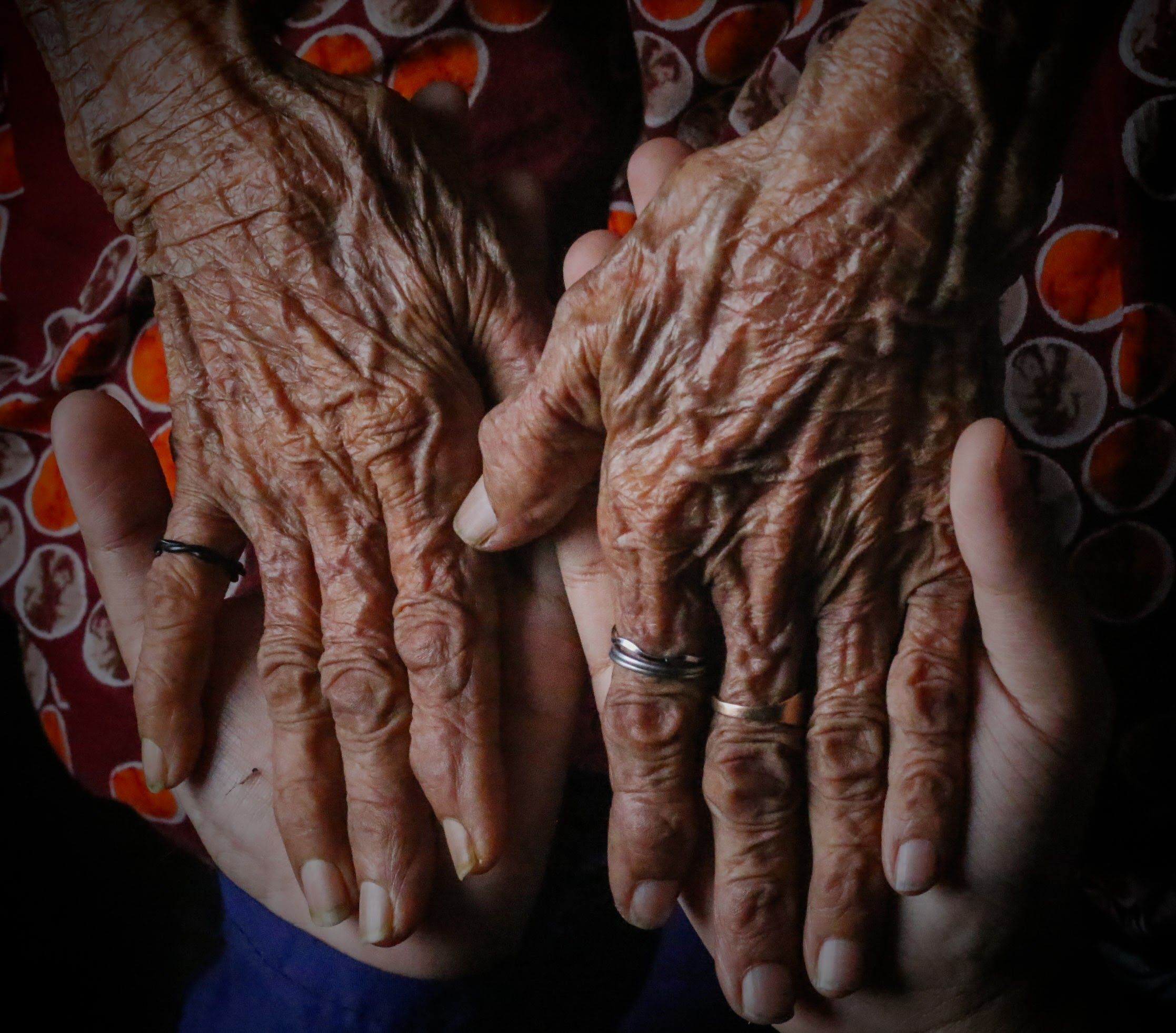
Someone teaches you how to cook. How to repair an engine. How to grow something. How to keep books. How to care for a child. How to recognize when an older neighbor needs help.
Some of the most valuable productive capacity in a community has never appeared on a résumé.

Once the network grows beyond the people who already know one another, coordination becomes harder.
Who can do what? Who needs what? Who has earned trust? Who is available? What was promised? What changed hands? Who would you call again?
The Bene Esse App is the digital infrastructure for that layer: local commerce, useful work, reputation, coordination and community decision-making without turning the community itself into somebody else's product.
Give useful work somewhere to become visible →
You do not have to bring all of them. Explore what else may already exist around you.
Recognize the capability. Connect it to need. Let reputation accumulate. Extend the halo. Then build around what proves useful.
Explore another piece →