What is already sitting unused?
You may be looking at an old building, an empty kitchen, a parking lot, a patch of land or a shrinking congregation and seeing a liability.
Bene Esse asks a different question: what could this place make possible?
A building can be quiet without being empty.
Churches and nonprofits often possess exactly the things a functioning community needs—before anybody calls them infrastructure.
There may be a commercial kitchen used a few hours each week. Classrooms empty most days. A fellowship hall. Parking. Storage. Volunteers. Retired tradespeople. People who know which family needs a ride, which elder needs help, and which teenager needs somewhere useful to be.
The building is only one asset. The relationships around it may be worth more.

What do you already have?
Not what is in the strategic plan. What is actually sitting in the building, the parking lot, the phone book and the accumulated trust of the people around you?
Sometimes the infrastructure is a refrigerator.
These are neighborhood community pantries in Central Texas. No master plan. No giant building campaign. Somebody recognized a need, used what was available, and created a tiny service node.
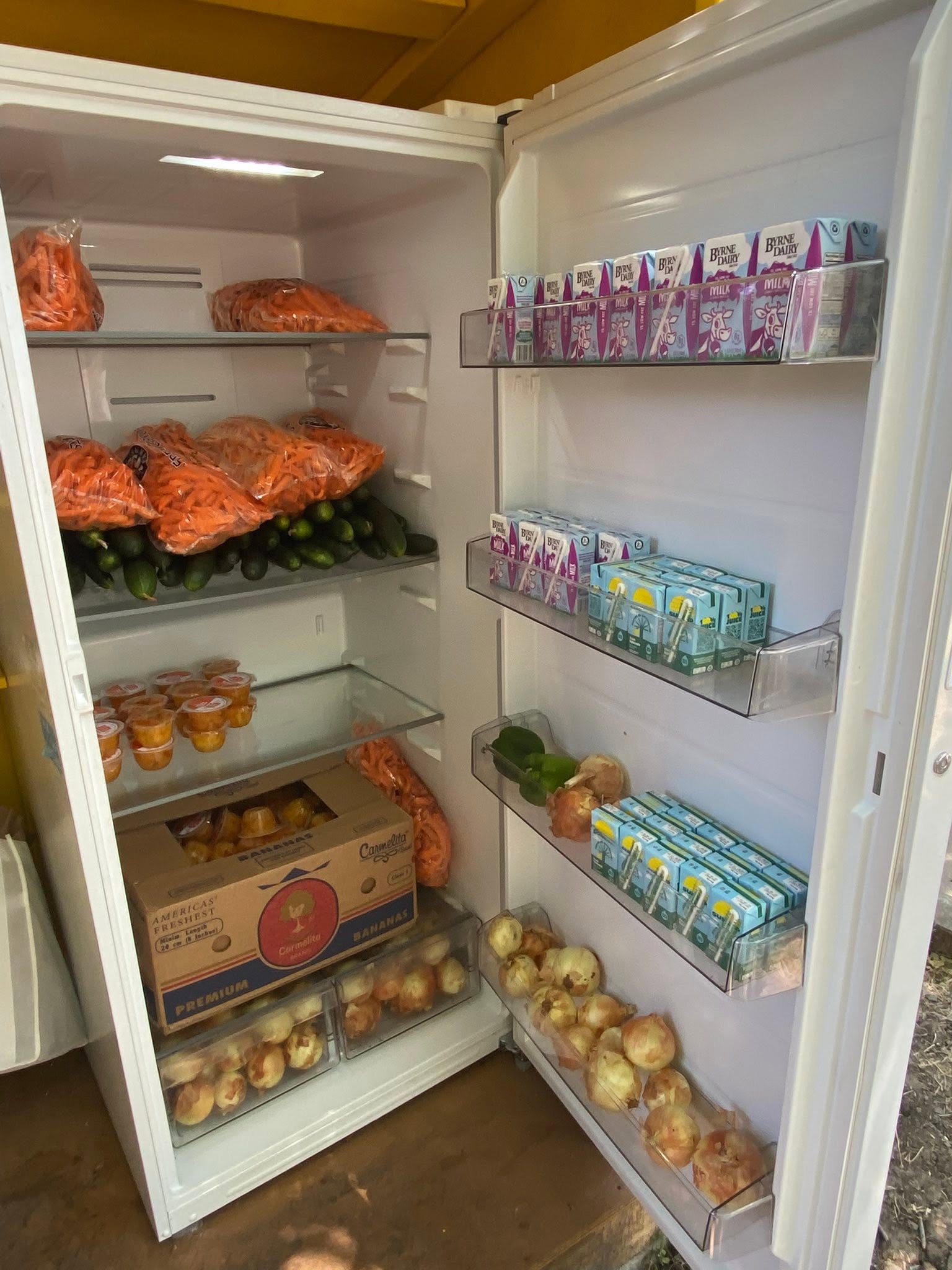
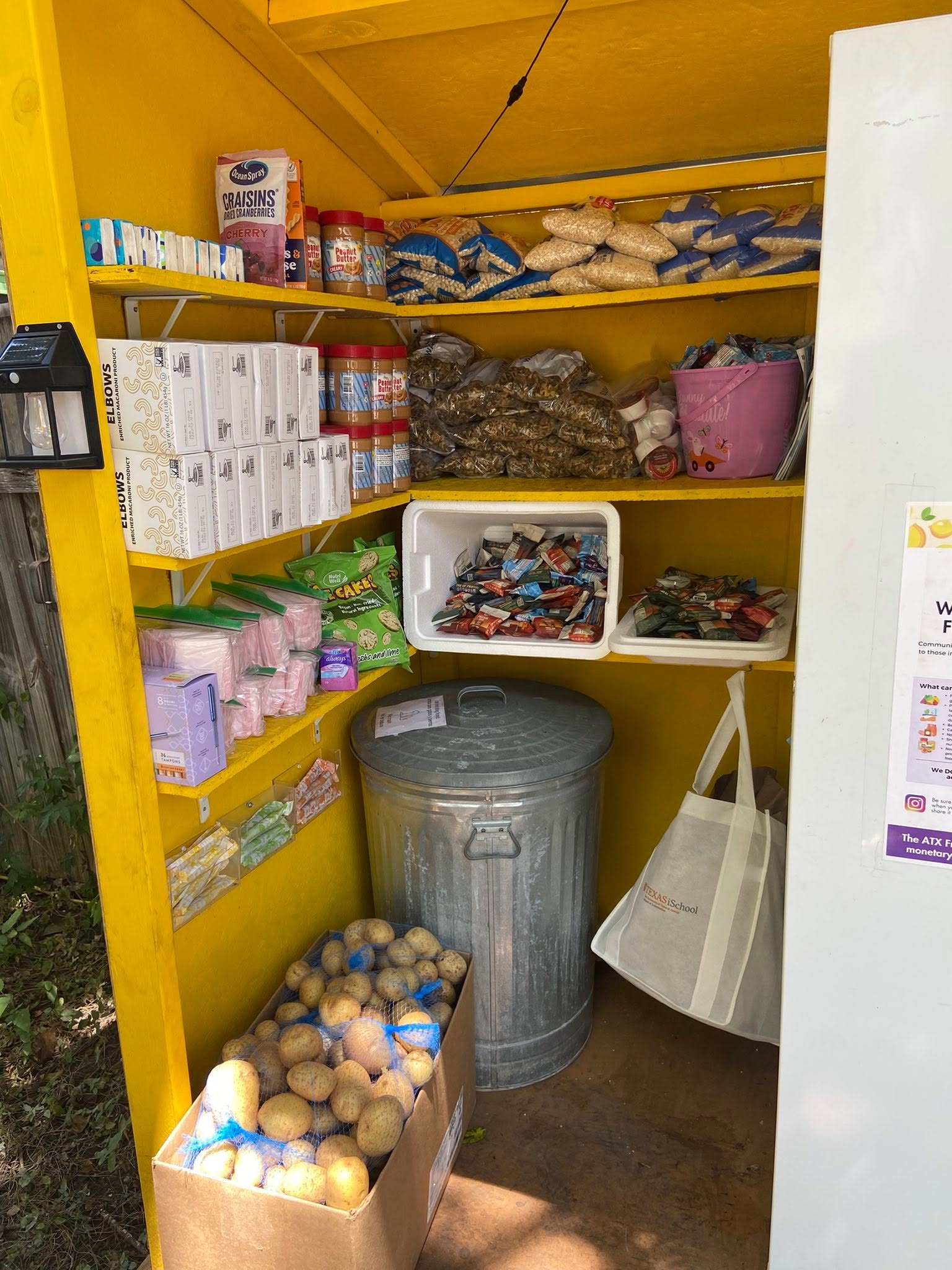
Small infrastructure. Immediate usefulness. A halo begins when value moves outward.
Stop asking what your institution can own.
Ask what your institution can enable. A kitchen can enable food businesses and shared meals. A parking lot can enable markets. A hall can enable childcare, classes, meetings and repair clinics. Relationships can connect people to work.
Feeding people matters. So does discovering who can cook.
Service reveals capability.
A meal brings people into the same place. Then you begin to notice things: somebody can feed fifty people without breaking a sweat. Somebody repairs cars. Somebody watches children. Somebody knows bookkeeping. Somebody has a trailer. Somebody grows food.
Those aren't side notes. They are the beginnings of a local economy.

Invite
Create a reason for people to gather around something useful.
Recognize
Notice needs, skills, equipment, relationships and productive capacity.
Coordinate
Make it easier for useful people to find useful people and serve one another.
Extend
Let those services reach beyond the institution and into the surrounding community.
What if a few useful people became visible?
This isn't a fundraising calculator. It is a way to see an economic halo.
Imagine your church or nonprofit helps a handful of local people or small enterprises become easier to find and trust. Some customers come from inside your existing network. Others come from the neighborhood around it.
The institution doesn't have to perform every service. It can become the place where capacity becomes legible.
This is not a forecast, donation estimate or profit estimate. It simply illustrates what changes when an institution helps local productive capacity reach beyond its own walls.

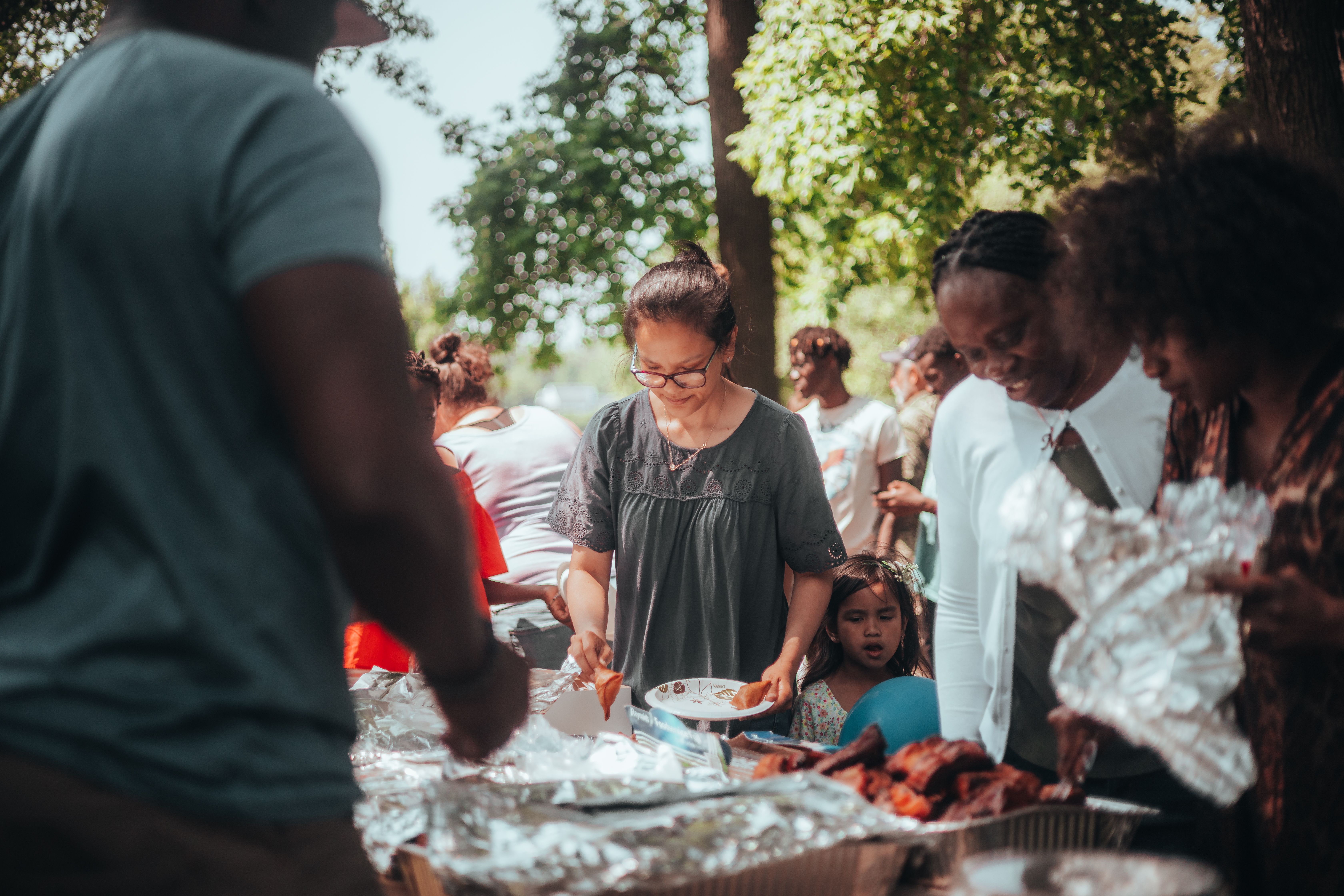
That is the point. The property line—and the membership list—should not be the edge of the benefit.
The Bene Esse App helps the pieces find each other.
A bulletin board can tell you somebody needs help. A coordination system can help a community discover what it can actually do.
The Bene Esse App gives identity-verified local people a place to find needs, skills, services, work, products and one another—while the institution remains a convener rather than becoming the owner of everybody else's activity.
Technology has one job here: extend the reach of the kitchen table without destroying what made the kitchen table work.
See how the Bene Esse App connects the pieces →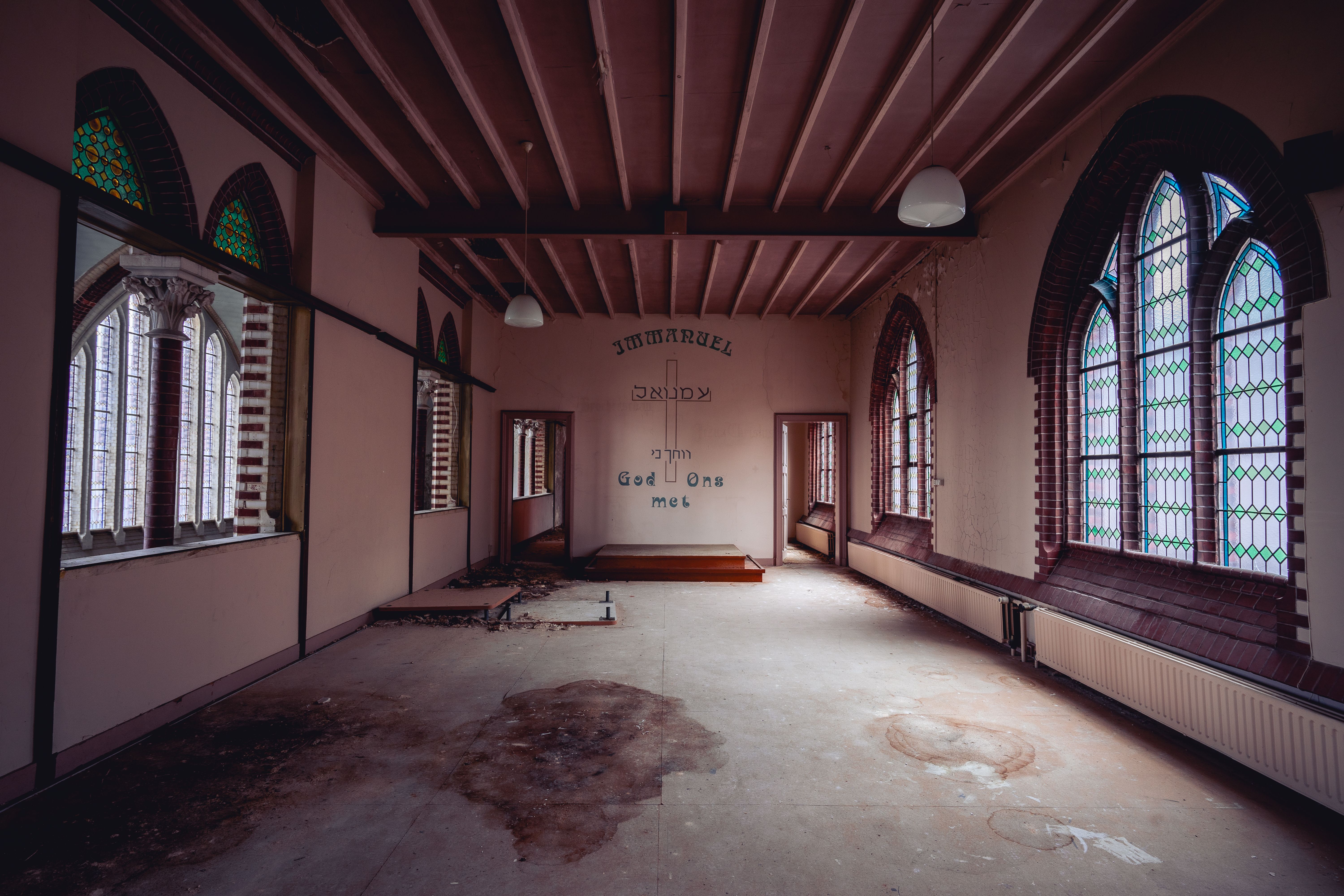
You don't have to bring everything.
A church or nonprofit may be one piece. Explore what else the community needs. Some of it you may build yourself. The rest may already exist in the people and organizations around you.
The work is to recognize the pieces—and bring them to the same table.
Now look around the table.
You may have a building. Somebody else has land. Somebody knows how to build. Somebody knows the neighborhood. Somebody can fund what proves useful. Bene Esse works when those pieces begin working together.
Explore another piece →