Make something useful.
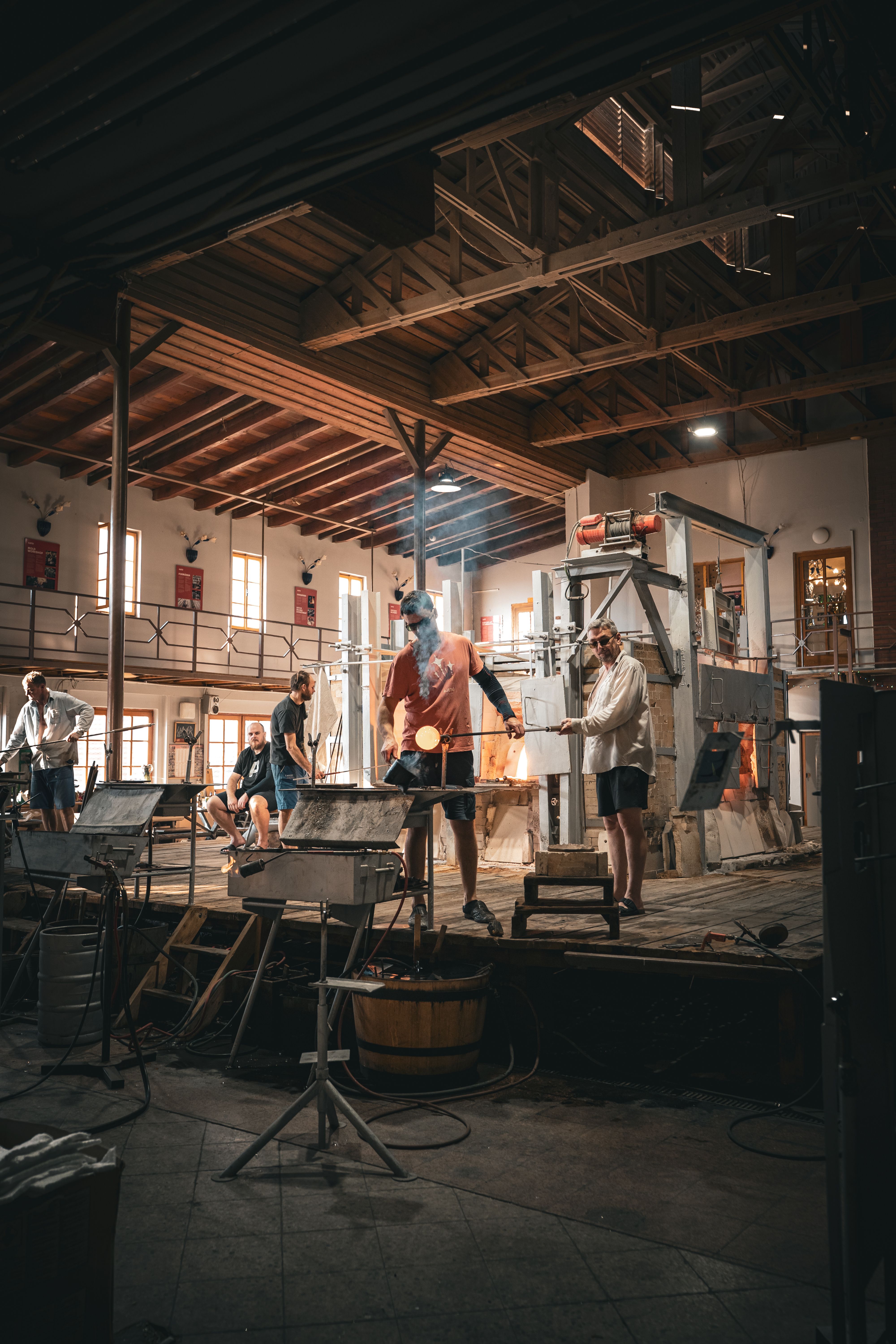
Acreage can hold productive workspace as easily as it can hold another roof. Trades, fabrication and small enterprise belong in the picture.
You brought land
Acreage tells us how much land you have. It doesn't tell us what it's worth to a community.
Before we ask how many houses fit here, let's look at the people, work, services, food, infrastructure and relationships this place could bring together.
Land is one piece. Bene Esse begins with people. The land gives some of what they can do together a place to become physical.
Change the first question
Begin with “What can this place make possible?”
Inventory before imagination
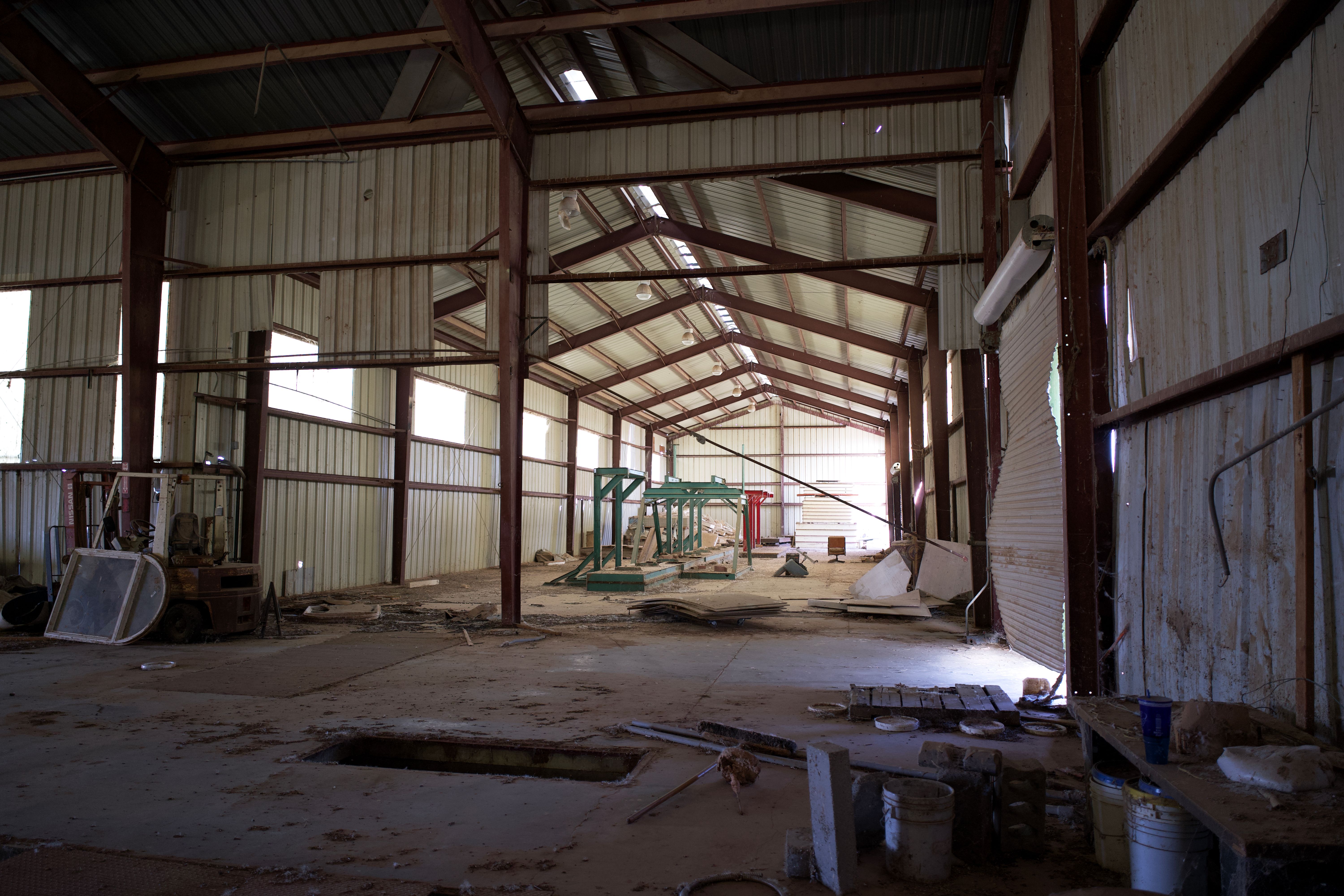
An old building may look like demolition expense. It may also contain a slab, a roof, electrical service, storage, workspace, access and years of embedded labor.
The same is true of the rest of a property. Before drawing a site plan, make an inventory.
A small possibility machine
This is deliberately not a development pro forma. It won't tell you what your land is “worth” or pretend to know how many homes should be built.
Instead, use it to change the frame: from acreage as inventory to land as a platform for useful activity.
The important question isn't how much fits on the land. It's how many useful things the land can help connect.
Move the sliders. Check anything already present. Watch what the land begins to reveal.
You already have enough information to stop treating this as empty acreage.
Now we need to know who lives around it, what they need, what they know how to do, and which relationships already exist.
This is an exploratory exercise, not a valuation, feasibility study, entitlement analysis, development recommendation or financial forecast.
Now notice what the calculator couldn't ask
It can't show us the people.
We still don't know whether there is a mechanic nearby. A nurse. A gardener. A teacher. A church kitchen. A retired contractor. Three families who need childcare. Somebody already selling tomatoes every Saturday.
What happens when the table gets longer?
Before Bene Esse puts a community on the land, the App can give people somewhere to discover what they need, what they know, what they make, what they can do—and where useful relationships are already forming.
The virtual community becomes a working prototype of the physical one.
Land can do more than hold houses
Food is one possibility. So are repair, fabrication, education, care, storage, shared equipment, small manufacturing, services and businesses nobody has thought of yet.
Acreage can hold productive workspace as easily as it can hold another roof. Trades, fabrication and small enterprise belong in the picture.
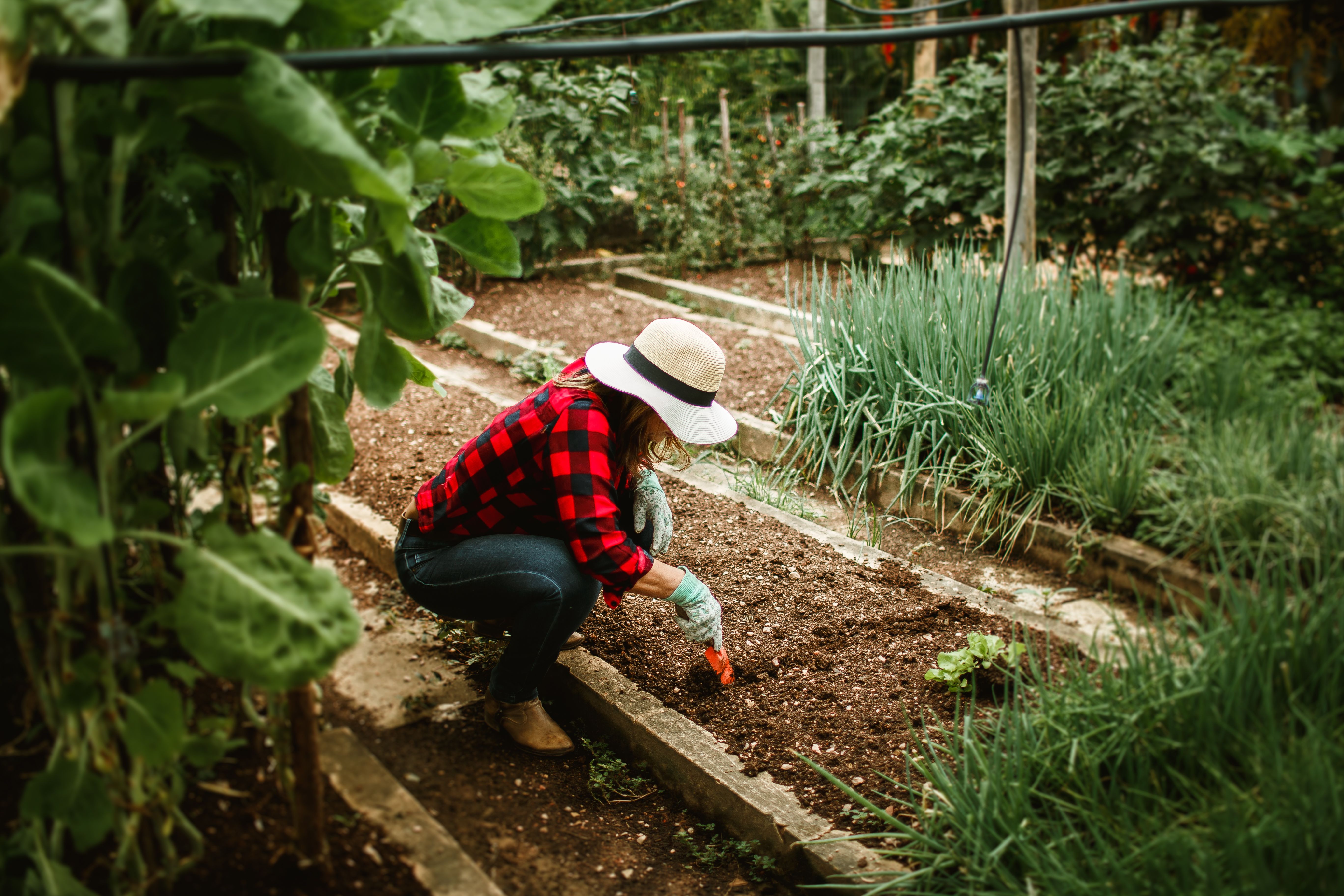
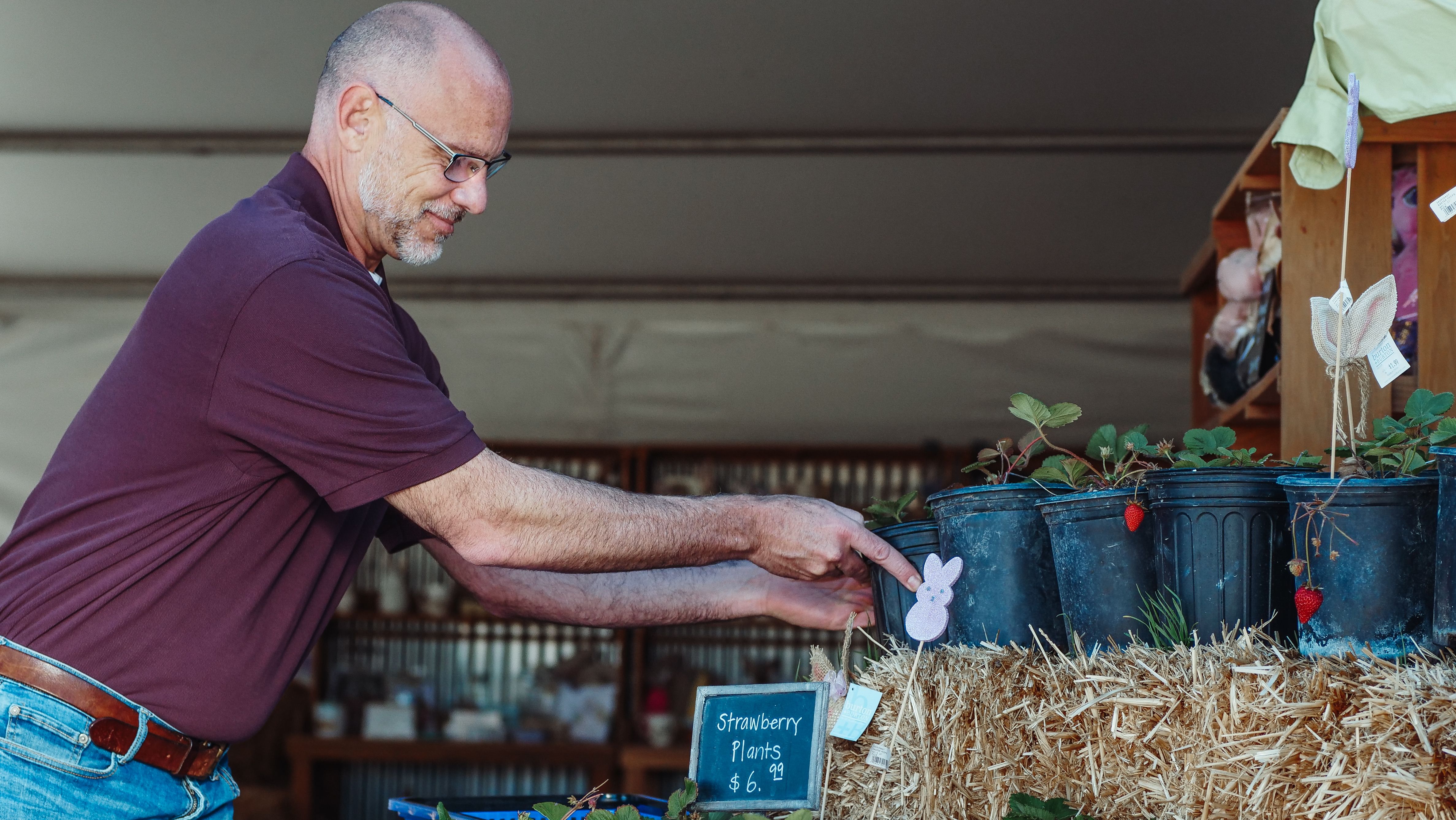
Food, nursery stock and other productive landscapes can serve residents while connecting the property to the surrounding community.
Then extend the halo
A workshop can serve customers who live ten miles away. A grower can sell to surrounding families. A shared kitchen can support local food businesses. A childcare provider can serve nearby parents.
Land → useful activity → outside relationships → economic and social halo
The property line defines ownership. It does not have to define usefulness.
Even this counts
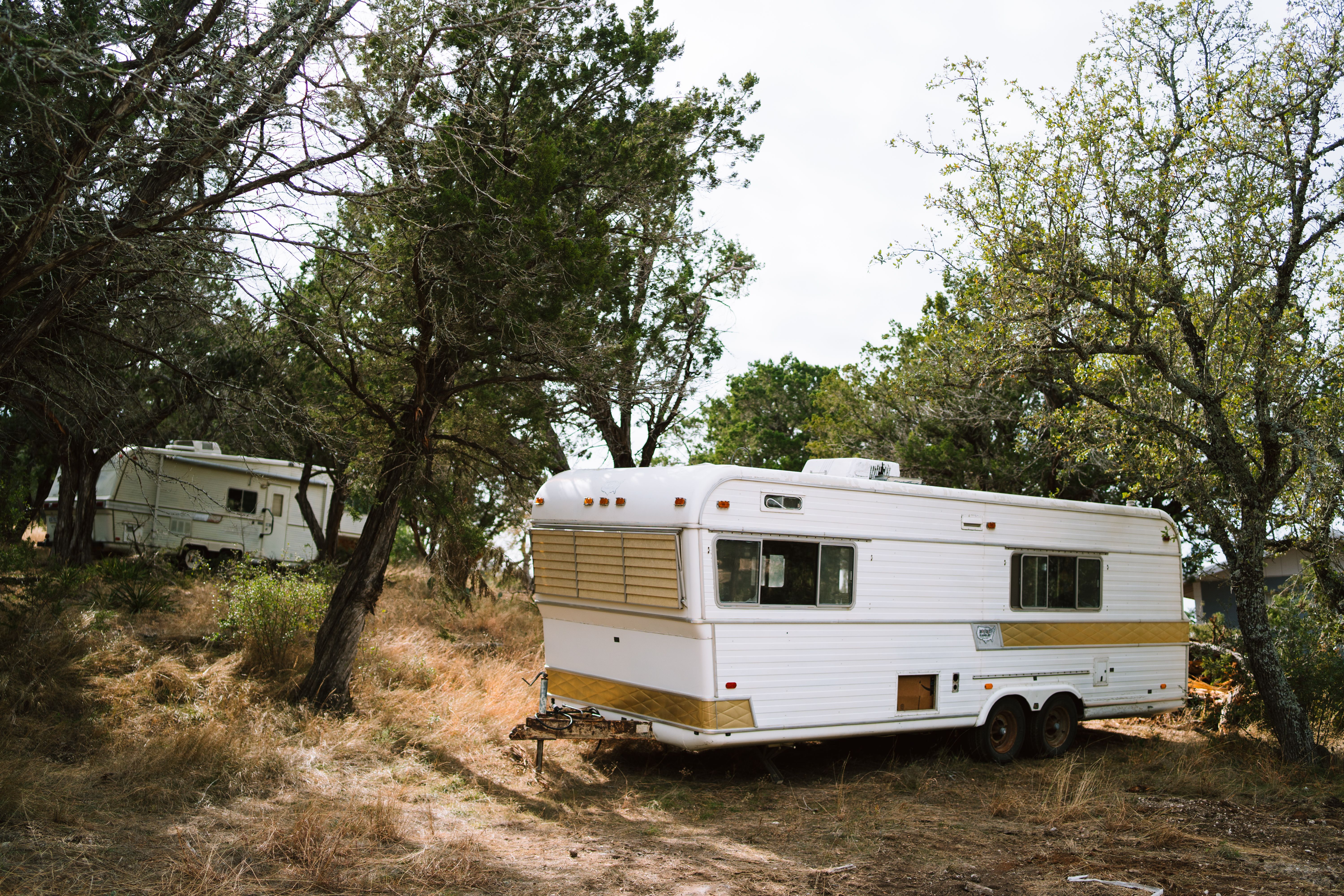
An old trailer, an awkward outbuilding, a gravel drive, a mature shade tree, a well somebody forgot about—none of these is a Bene Esse community.
But each may be an ingredient. The discipline is to stop discarding things merely because they don't resemble the finished picture in your head.
Inventory first. Relationships second. Architecture after evidence.
You found one piece
You don't have to supply everything yourself. The other pieces may already exist in the people, institutions and organizations around you. Explore what you're missing—and who might already bring it to the table.