You probably don't need a better house.
You need a better place to live.
A house can give you bedrooms, a kitchen and a roof. It cannot guarantee that somebody nearby knows your children, that an older neighbor can teach them something you can't, or that someone has the tool you need when something breaks.
Some of the most valuable things about home aren't inside the house at all.
A good life is made from more than square footage.
It includes people you trust. Children who know other adults. Elders who still have a useful place in daily life. Someone who can fix what broke. Somebody who can watch a kid for an hour. A meal that stretches farther because more hands showed up.
A better home may begin by rebuilding the useful relationships around the house.

Independence doesn't require isolation.
You can keep your own front door, your own family life and your own choices while sharing some of the things households otherwise duplicate alone.
Care
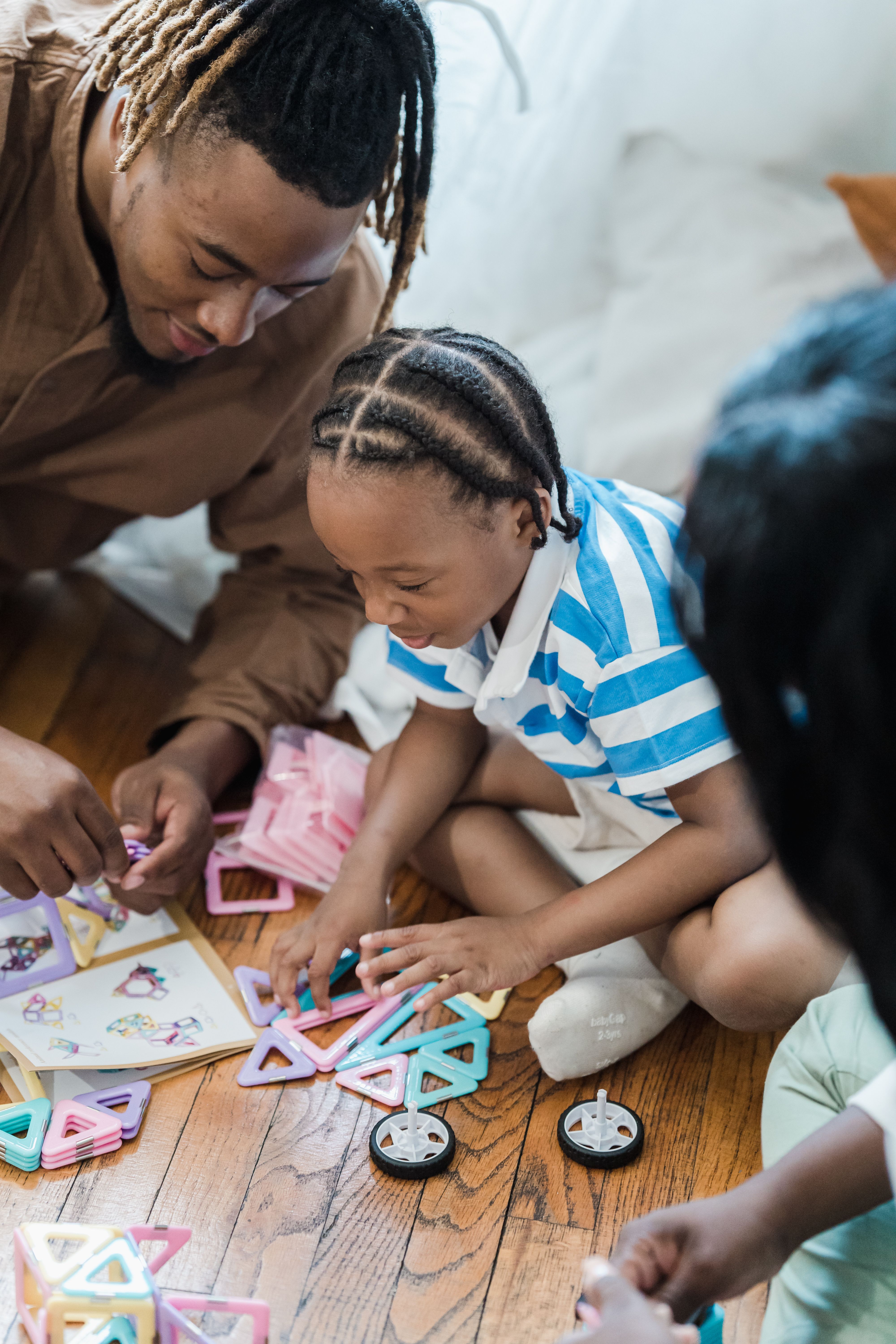
Childcare, elder support, pet care, rides and the thousand small favors that keep a household functioning.
Capability
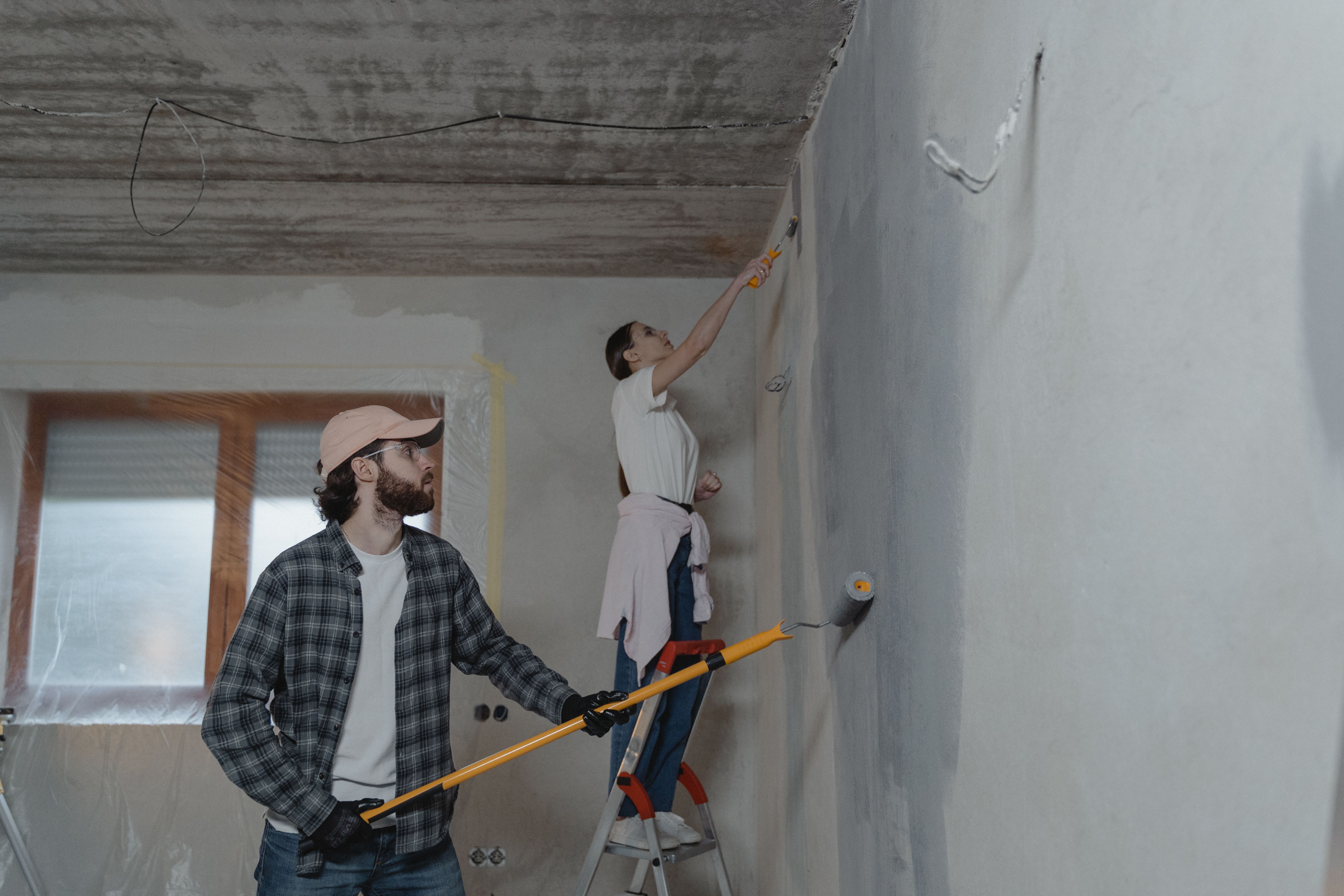
Tools, repair skills, cooking, teaching, gardening, bookkeeping and practical knowledge.
Connection
Meals, trusted neighbors, shared rituals, people who notice when something is wrong and people who celebrate when something is right.
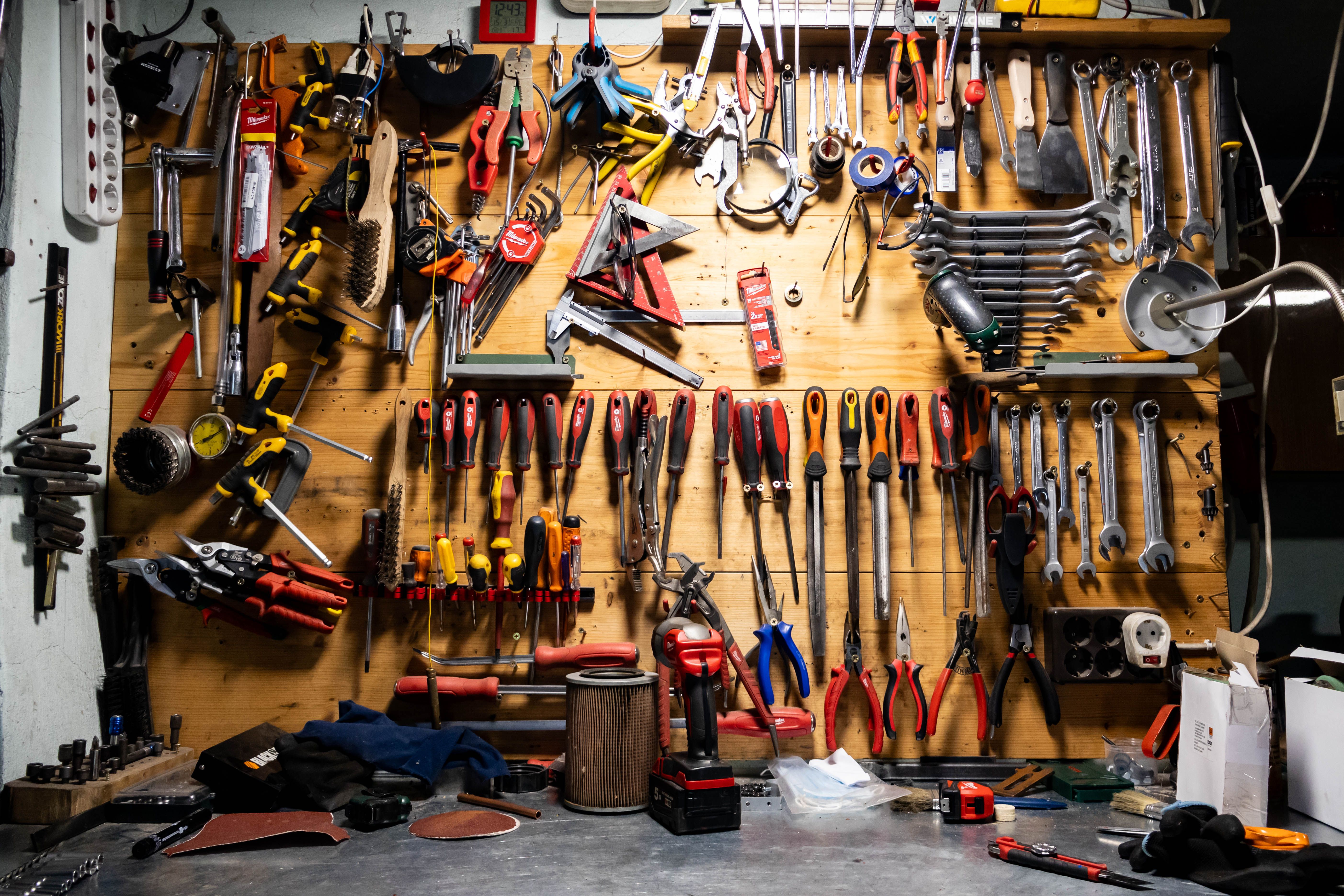

The point is not to own less for the sake of owning less. The point is to stop paying repeatedly for capabilities that trusted people can sometimes share.
What if a little cooperation gave some of that value back?
This is not a promise that community makes life free.
The important question is not only what one household spends. It is how many households are coordinating, and how much of that spending they can realistically coordinate together.
Set the household costs, then change the size of the group and the degree of coordination.
What that means for each household $3,870 per year Potential household value returned to the life you actually want to live.
This is not a savings forecast or financial guarantee. It simply illustrates how group size and coordination can change the amount of household value that is no longer duplicated.
The economic halo is measurable. The social halo is experienced.
Grandma watching the kids for an afternoon is not merely a childcare transaction. The children know Grandma. Grandma is useful and included. A parent gets time back. Another household may reciprocate somewhere else.
The dollar value is real. It just isn't the whole value.
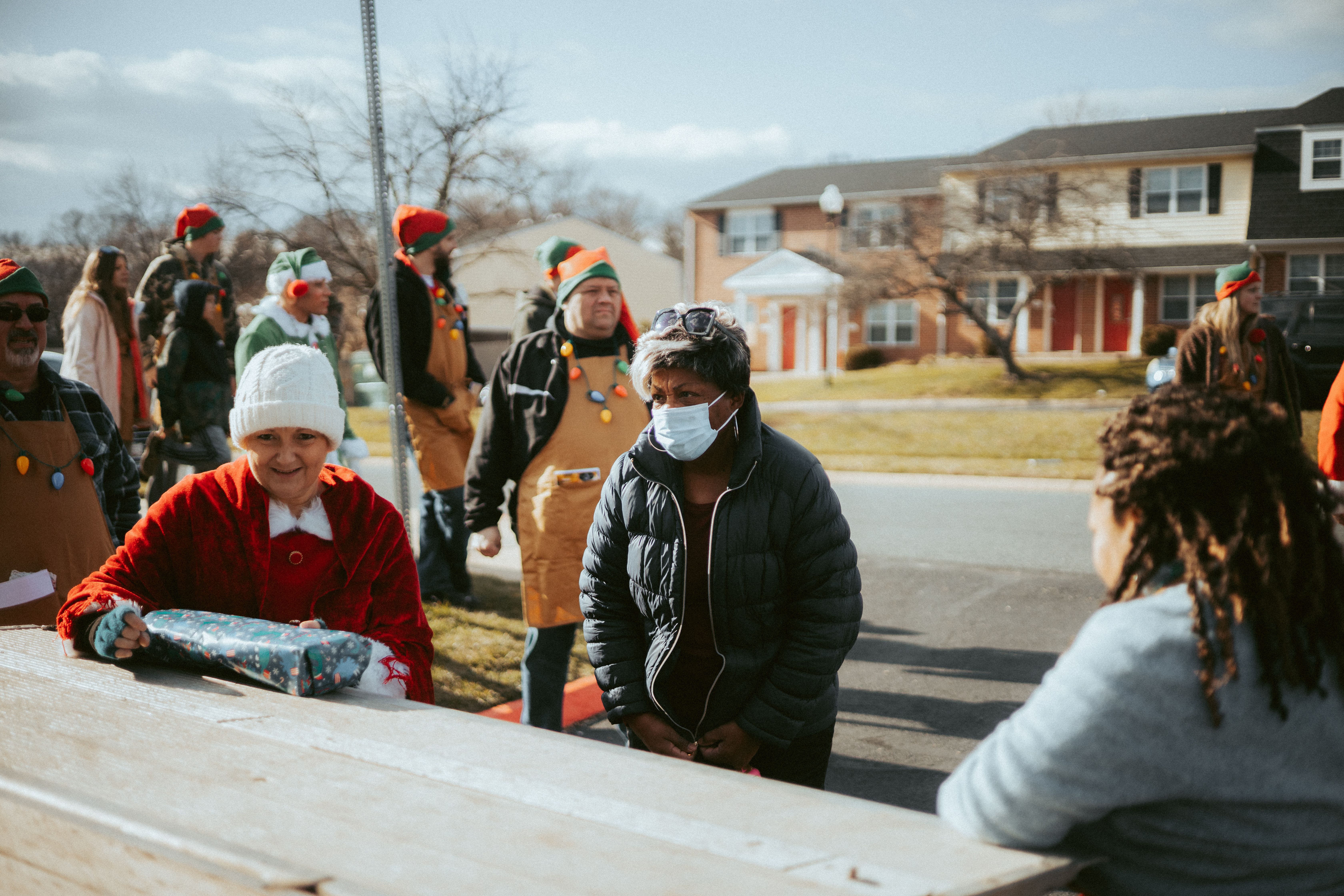
A household becomes richer when its useful world gets larger.
Not richer only in money. Richer in people, skills, options and resilience.
One neighbor knows engines. Another has a trailer. Someone else grows food. A retired teacher knows your kid. A young person needs work. Somebody has a freezer. Somebody else has time.
Those things become wealth when people can find one another, trust one another and coordinate.
We are not arguing against private homes.
We are arguing against pretending the house must carry the entire burden of a good life.
You should be able to close your own door. Raise your family according to your values. Improve your home. Keep what is private, private.
But outside that door can be a richer layer of shared capability that makes each household stronger.
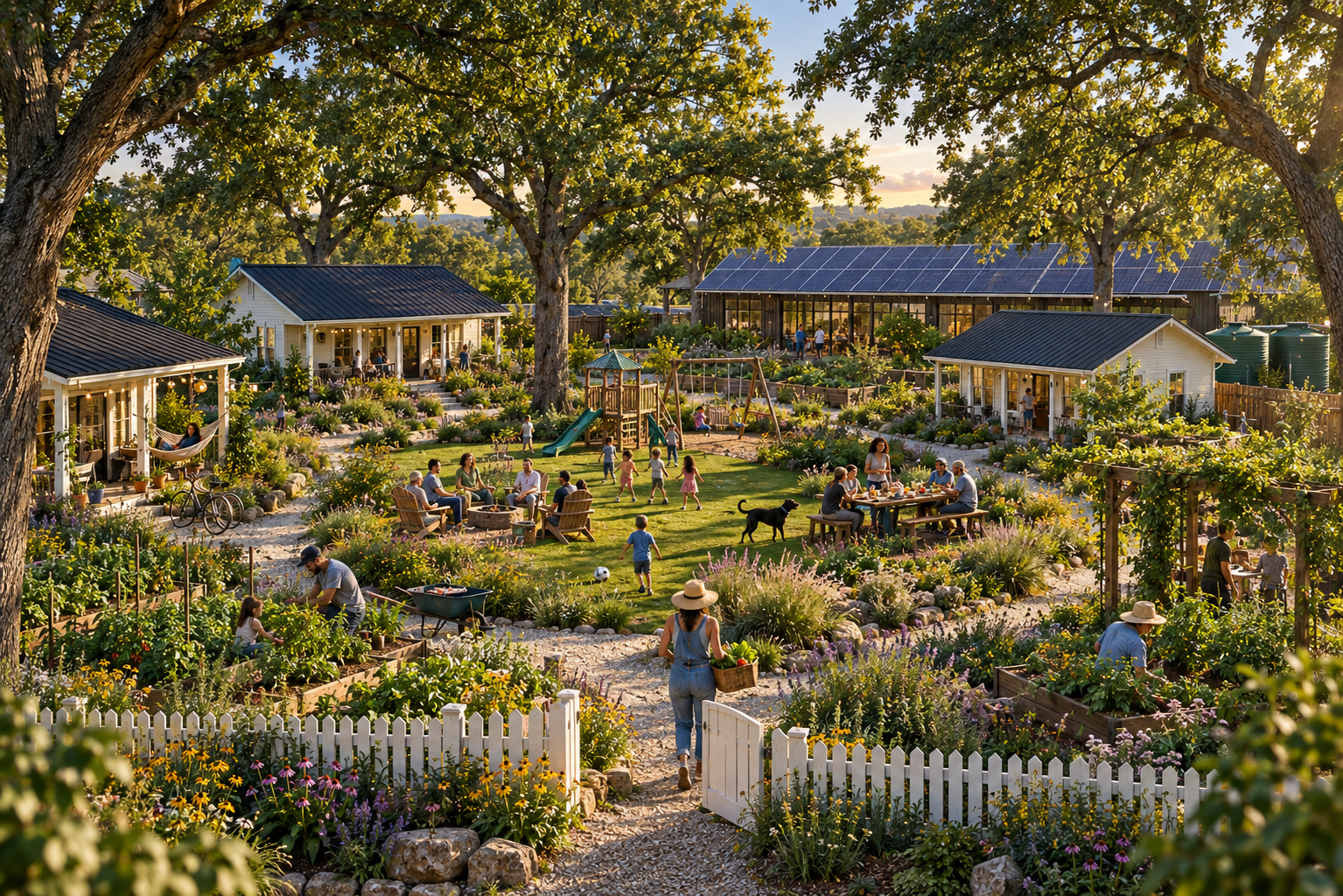
These aren't houses arranged around an amenity.
They're households arranged around a shared life.
Private homes face a common green. Children have somewhere to move. Gardens, tools, meals, work and useful adults are close enough to become part of daily life rather than scheduled programming.
But you do not have to live in something that looks like this to begin. The relationships can come first.
Become a community before you build one.
The Bene Esse App gives people a place to discover needs, skills, work, services and one another before concrete enters the picture.
That lets a proto-community begin operating economically and socially while it is still virtual. Participation becomes visible. Trust accumulates. Useful people find useful people.
Let trust accumulate before concrete does.
See how the community starts virtually →People are the roots. Trust grows first. Coordination extends the reach of those relationships. A halo forms, economics become visible, physical infrastructure can follow—and what works can seed something new somewhere else.
You don't have to bring everything.
A household is one piece. Explore what else the community needs. Some of it may already exist in the people and organizations around you.
The work is to recognize the pieces—and bring them to the same table.
A better home may start before anybody moves.
Find the people. Find the useful things. Find the relationships worth strengthening. Then decide what kind of physical place would help that shared life grow.
Explore another piece →