The economics of home
The houses aren't
the engine.
When people imagine building a community, they usually start with land. Find the property. Raise the money. Build the houses. Then invite people to come live there.
We think that's backward.
Begin somewhere smaller
The houses aren't the engine.
Trust is.
Long before there is a site plan, there are people. They already have time, attention, relationships, skills, tools, knowledge, reputation and history with one another.
A halo begins when those things accumulate into trust.
So Bene Esse begins with people—not property.
Recognize what is already here
You are wealthier than you've been taught to believe.
Money matters. Land matters. Buildings matter. But some of the most valuable things a community possesses never appear on a balance sheet.
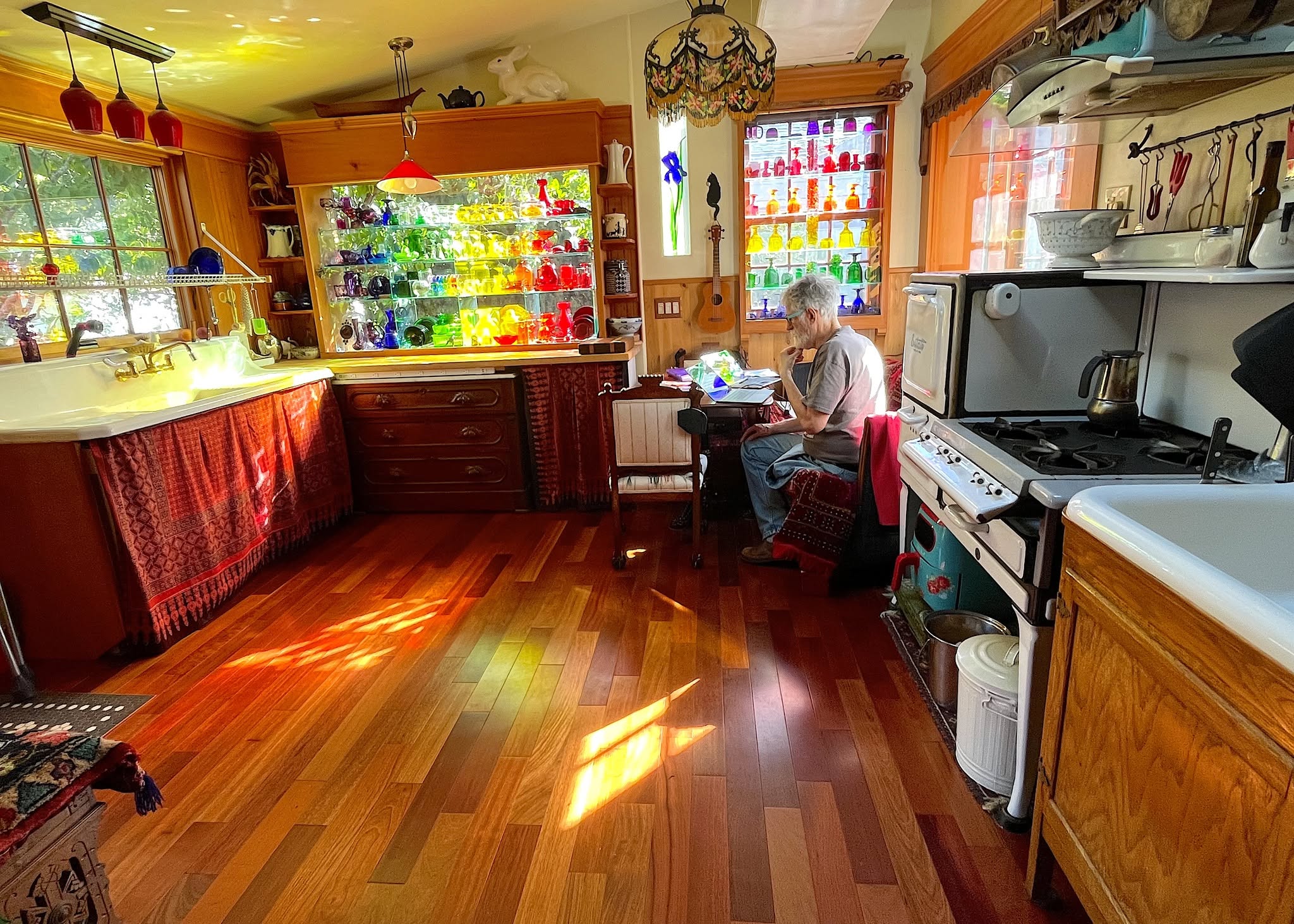
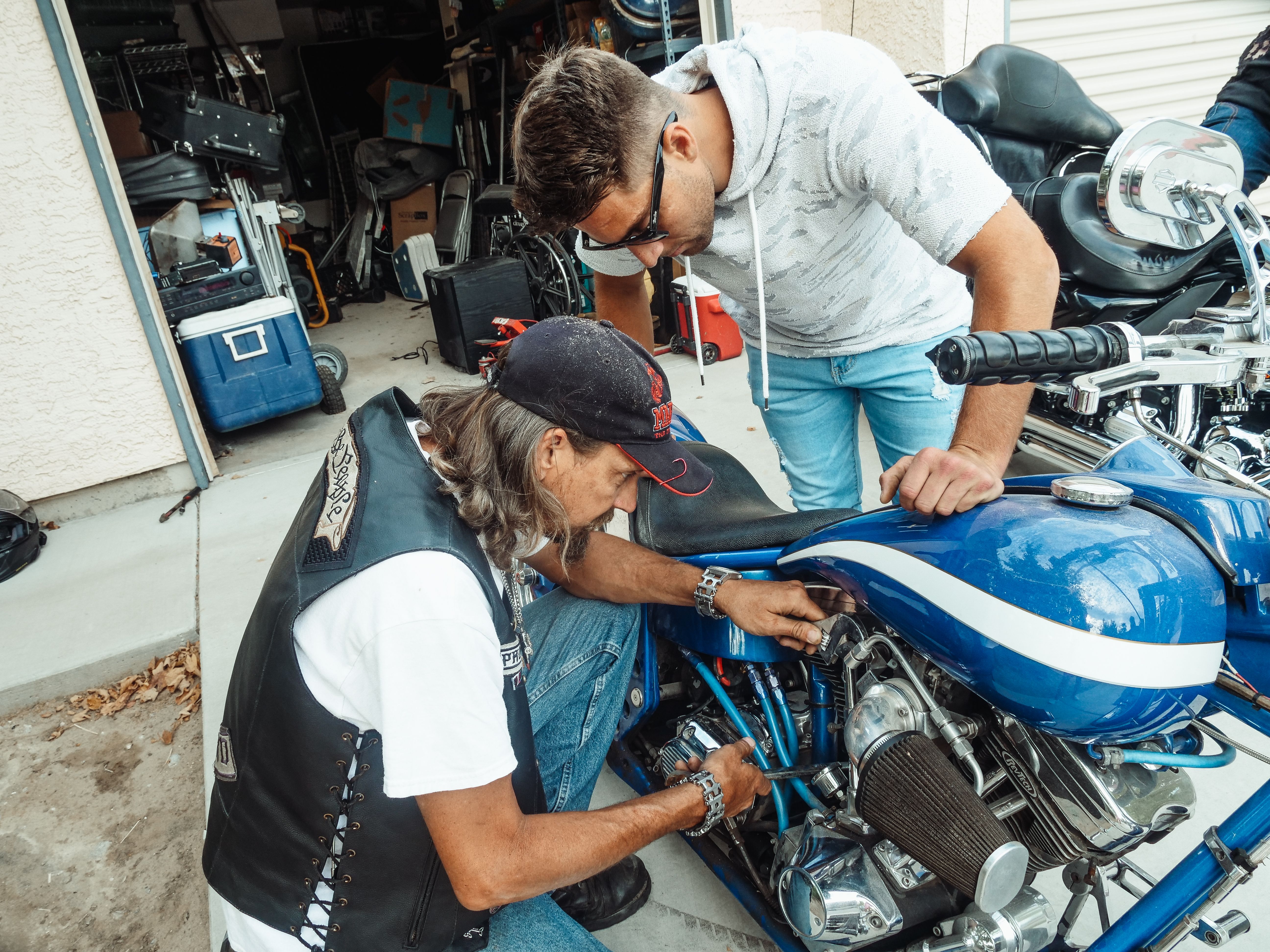
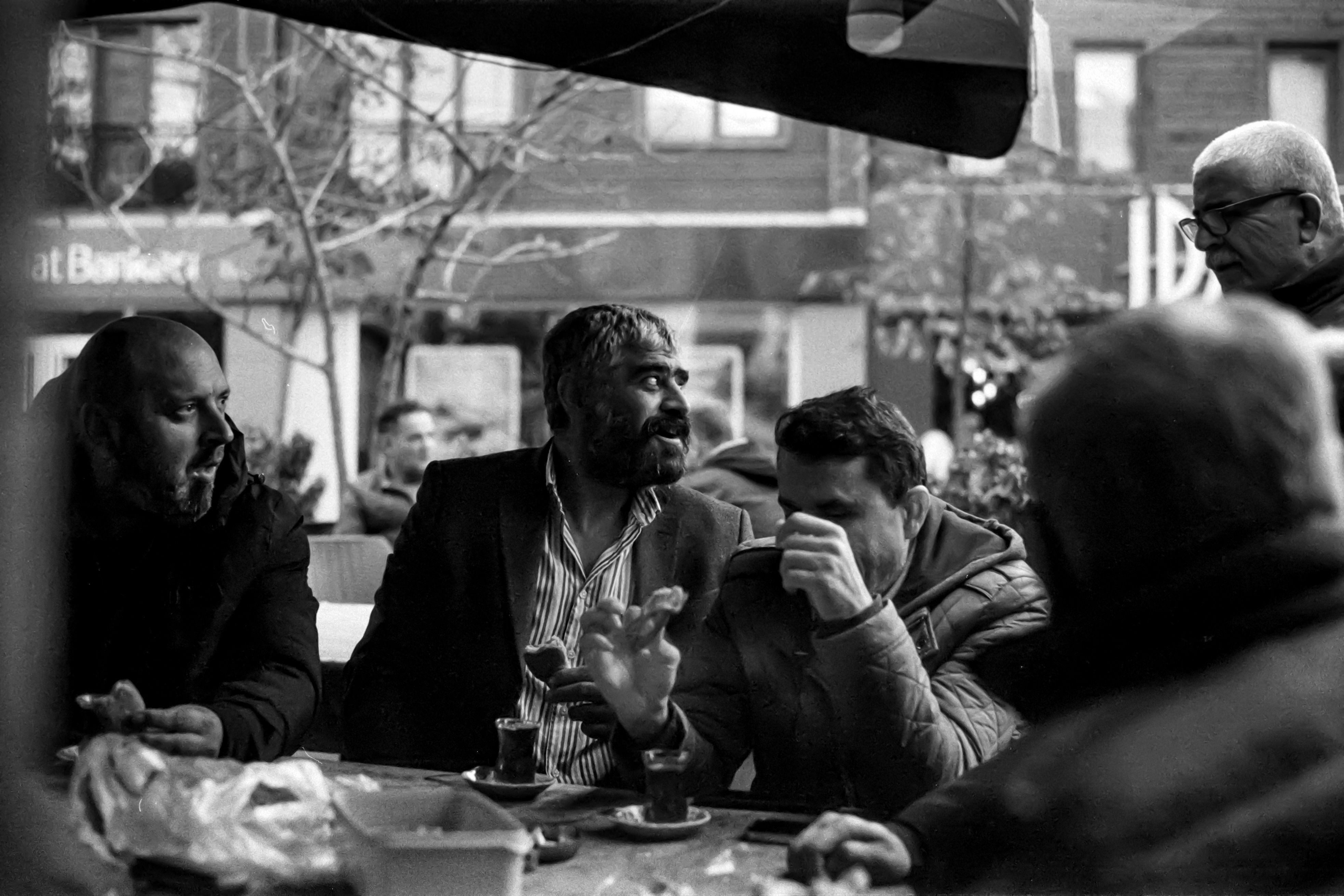
Money is one form of wealth. It isn't the only one.
The Bene Esse inversion
START
VIRTUAL.
Don't buy the land first. Don't build the houses first. Build the community first.
Give people somewhere to find one another. Let them discover who needs what, who knows what, who can do what, and who reliably shows up.
Let them trade. Work. Help. Share. Solve problems. Build reputation.
Let trust accumulate before concrete does.
This is not merely a nicer way to introduce future neighbors.
This is how the halo begins.
The economically relevant community is larger than the eventual group of residents. When people begin operating together before construction, their relationships, services, customers and opportunities can already extend across the surrounding place.
By the time land and buildings enter the picture, we know considerably more about what the community actually needs—and what it can contribute.
The kitchen table can be bigger now
This is where the Bene Esse App comes in.
The Bene Esse App gives an emerging community a place to coordinate what once happened informally around the table.
Technology has one job here
Extend the reach of the kitchen table without destroying what made the kitchen table work.
The App is not the community. It is infrastructure beneath the relationships—commerce, work, coordination, reputation and shared decisions without requiring somebody else to own the people creating the value.
What happens when the table gets longer?
A tiny example: move the sliders and watch how quickly useful work can reach beyond the eventual residents.
This is not a forecast or profit estimate. It simply shows why the property line is not the edge of the market.
A pattern of accumulated trust
Then the halo begins to glow outward.
A healthy community does not turn inward. Useful people become useful to people who may never live there at all.
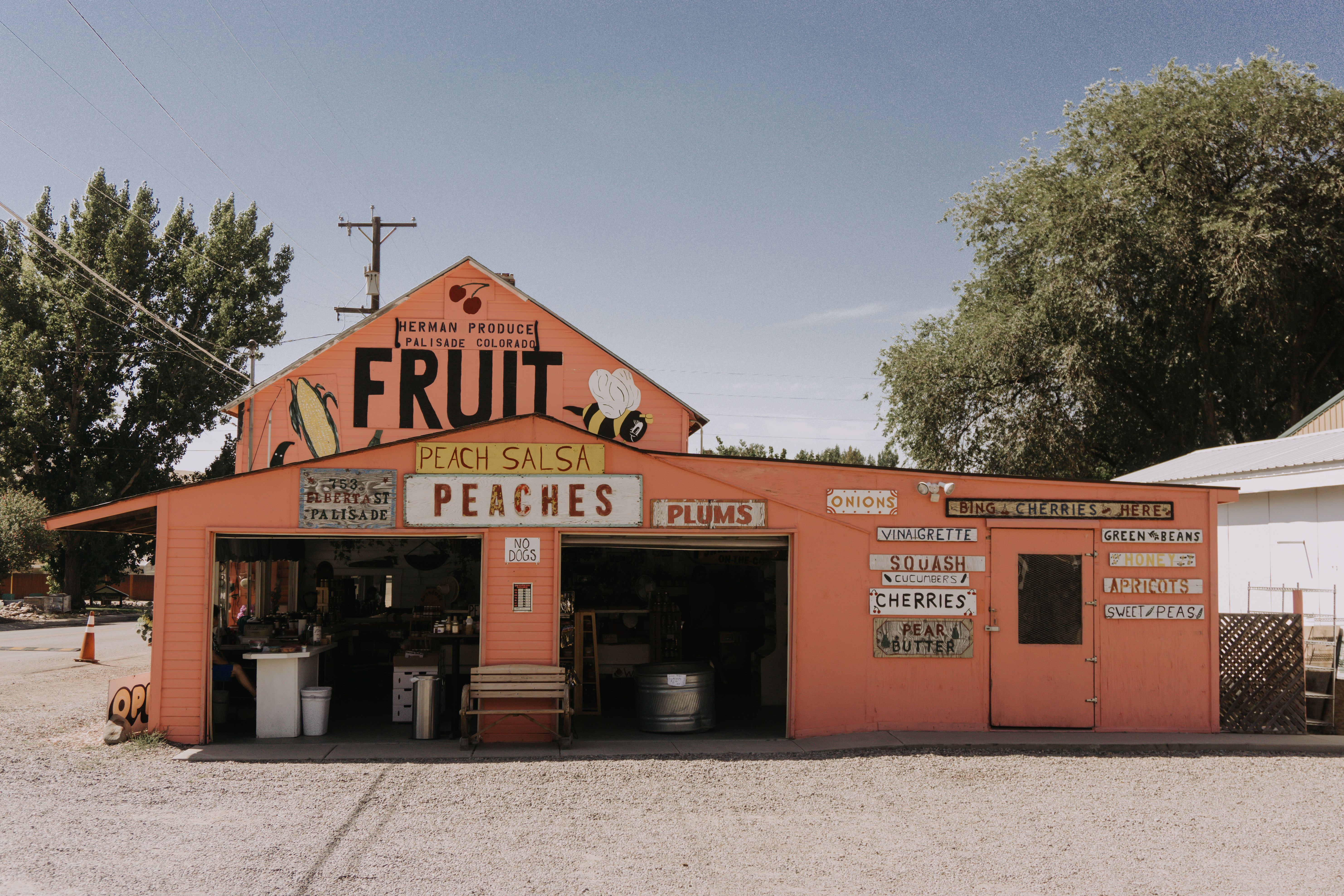
The mechanic gains customers. The grower feeds surrounding families. The childcare provider serves nearby parents. The bookkeeper helps local businesses. The shared kitchen makes something the town wants to buy.
The economic halo is measurable. The social halo is experienced.
COMMUNITY
The economics of the halo
The property line isn't the edge of the market.
Traditional housing economics tends to focus on what happens inside a development: units, rents, occupancy and appreciation.
Bene Esse asks a larger question:
What economic activity can this community enable?
Housing matters. But so do services, food, work, education, maintenance, care, commerce and the businesses created by the people themselves.
A Bene Esse community becomes stronger by becoming useful to the place around it.
Halo economics
A self-funded social enterprise
that happens to include housing.
The houses matter because people need homes.
But the durable engine is the network of people, skills, relationships, businesses, services and trust that surrounds them.
The physical community is not the source of the halo. It is where an already-growing halo can finally take physical form.
Then build
Architecture comes after evidence.
Once people have begun operating together, we can see what is real: who participates, what people need, what they can provide, which services are missing, what should be shared and what should remain individual.
A physical Bene Esse community is architecture built around a community that has already begun.
People first.
Begin with relationships, needs, skills, values and existing assets.
Operate virtually.
Use the Bene Esse App to discover patterns of work, commerce, trust and participation.
Watch the halo.
See where the community becomes useful to surrounding people and businesses.
Build what proves necessary.
Add land, homes, shared spaces and infrastructure around demonstrated need and productive capacity.
Now apply it
You don't have to bring everything.
Bene Esse isn't built by finding one person or organization with all the answers. Start with what you have. Explore what else the community needs. Some of it you may build yourself. The rest may already exist in the people and organizations around you.
Land. A church. A family. A skill. A community. Capital. Whatever you bring, the next step is to ask what it could enable—and what other pieces belong at the table.
The work is to recognize the pieces—and bring them to the same table. Explore any of them. You may discover that somebody else already brings what you need.
Start with what you have. Build what you need.